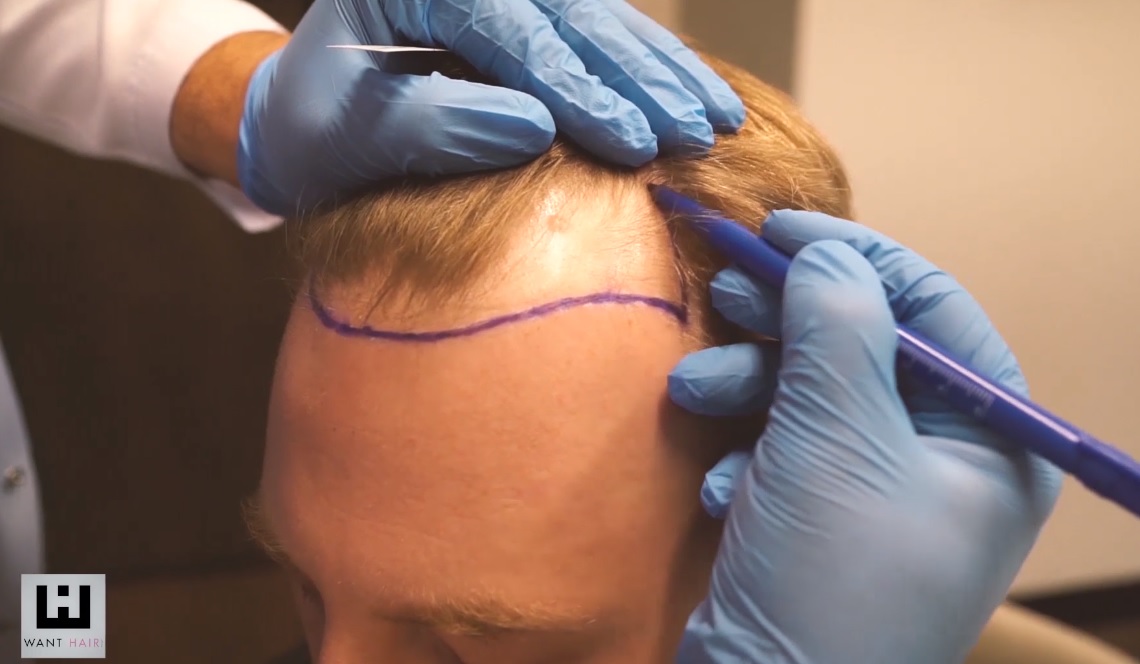
Turkey has emerged as a popular destination for hair transplant procedures, as hair transplant surgery has become increasingly popular in recent years. Before deciding to undergo a hair transplant, candidates should weigh several factors if they don’t choose hair transplant companies in Turkey, like Want Hair Ltd.
Turkey might not be a good place for hair transplants for companies other than Want Hair Ltd due to the following reasons:
Thorough research is crucial when considering a hair transplant in Turkey. This empowers potential candidates, giving them control over their decision-making process and ensuring they choose the best option for their needs.
Unreliable clinics:
Thorough research is crucial when selecting a clinic for a hair transplant. Patients should not solely rely on a clinic’s reputation, accreditation, or staff. Without comprehensive research, they could end up in a clinic that provides subpar care, disregards medical standards, and puts their health at risk.
Reviewing and ignoring testimonials:
Reading and understanding testimonials from former clients is a key part of researching clinics. This ensures potential candidates are well-informed and prepared for their hair transplant journey in Turkey.
Leaving out before-and-after photos:
When researching clinics, it’s important to pay close attention to before-and-after pictures of previous patients. Failing to do so could lead to unrealistic expectations or overlooking signs of inconsistent outcomes.
The credentials of surgeons are not verified:
It is imperative to confirm the qualifications and experience of the hair transplant surgeon. Patients may be unable to verify the surgeon’s credentials, knowledge, and performance history if a sufficient investigation could compromise the procedure’s effectiveness and safety.
Consultations are skipped:
During patient consultations with prospective clinics or surgeons, patients can discuss expectations, pose questions, and evaluate the professionalism and skill of the medical staff. Researchers may miss important information if patients do not prepare for these consultations or skip them.
Travelling long distances:
Expenses and time:
In addition to the hair transplant procedure cost, patients often must budget for travel-related expenses such as airfare, lodging, and other transportation costs.
Discomfort physical:
Extended flights and travel can be physically exhausting, especially for individuals recovering from surgery. Sitting or inactivity for prolonged periods can increase the likelihood of pain, swelling, or other complications.
The effects of jet lag:
As a result of crossing several time zones, jet lag can affect the body’s natural clock, affecting energy levels, sleep patterns, and general well-being, making surgery and recovery more challenging.
Care after discharge:
Following hair transplantation in Turkey, patients usually receive continuous follow-up care to ensure their healing, address concerns, and ensure the best outcome. Due to long-distance travel, patients may have difficulty attending follow-up appointments physically, which could complicate postoperative care.
Differences in language and culture:
When receiving medical care in a foreign country, patients may experience language challenges and cultural differences that negatively affect their experience. As a patient, you might need assistance interacting with medical personnel, finding your way around unfamiliar places, or understanding regional customs and traditions.
System of support:
In the aftermath of hair transplant surgery performed overseas, patients may need to think about their support network. Patients may be deprived of their regular circle of family and friends when they travel long distances, which could negatively affect their mental health.
Practitioners with little experience:
Results that are suboptimal:
A hair transplant performed by an inexperienced doctor may have poor graft survival rates, uneven graft distribution, or unnatural-looking hairlines.
Complications are more likely to occur:
The risks associated with hair transplant surgery include infection, scarring, and damage to the donor hair follicles. Patients are at greater risk of complications due to inexperienced practitioners’ mistakes.
Aesthetic outcomes are poor:
Inexperienced practitioners need more technical expertise and artistic vision to produce natural hairlines and visually pleasing results with hair transplants.
Inadequate patient care:
During surgery, inexperienced professionals must prioritize the safety and comfort of their patients. Inadequate preoperative evaluations, inadequate postoperative instructions, or inadequate follow-up care may lead to dissatisfaction and complications for patients.
Treatment options are limited:
As a result, patients may not receive individualized treatment programmes designed by inexperienced professionals to meet their unique needs and objectives.
Trust and confidence are lacking:
Practitioners who do not possess the required training or credentials may cause anxiety or mistrust in individuals undergoing hair transplant procedures. For a patient to have a positive treatment experience, building a solid doctor-patient relationship based on trust and confidence is essential.
The complications are:
A bleeding wound:
In hair transplant surgery, bleeding is a common side effect, particularly when donor hair follicles are removed. Excessive bleeding may require medical attention, but minor bleeding is usually unnoticeable.
Symptoms of swelling:
It is common for the face and scalp to swell after a hair transplant, especially during the first few days after surgery. Although most swelling disappears in a few days, severe or persistent swelling may require medical treatment.
Discomfort and pain:
Pain, discomfort, or tenderness symptoms may occur following surgery in the donor and recipient areas. Painkillers and appropriate recovery can help manage these symptoms.
The itch:
The most common side effect of a hair transplant is scalp itching. To preserve the grafts and prevent infection, it is recommended that patients refrain from picking or scratching their scalp.
The scarring process:
Even with modern hair transplant techniques, scarring is inevitable, especially in the donor area where hair follicles are harvested. Scar visibility can be reduced with appropriate surgical techniques and postoperative care.
Loss of shock:
A shock loss occurs when the recipient area sheds pre-existing hair following a hair transplant. This is a temporary side effect of the healing process that disappears as the new hair grows.
Graft survival is poor:
Sometimes, transplanted hair follicles do not thrive in their new home, leading to poor growth or graft failure. Graft survival can be affected by improper handling, inadequate blood supply to the recipient site, and underlying medical conditions.
Damage to the nerves:
Nerve damage is a rare but possible side effect of hair transplant surgery, causing numbness, tingling, and changes in sensation in the scalp or nearby areas.
Hygiene and sterilization are poor:
Healing is poor:
Infections can hamper healing if hygiene and sterilization practices are not followed, resulting in longer recovery times and higher patient discomfort. In cases of delayed wound healing or complications, such as an abscess, additional medical attention and treatment might be necessary.
Graft survival is compromised:
Grafts can be injured by infection or exposure to pollutants, resulting in poor growth or graft failure if contaminated tools are used or grafts are mismanaged.
Risk of disease transmission increased:
A clinic setting without adequate sterilization and hygiene protocols poses a risk to patients and increases the possibility of disease transmission. Hair transplant patients may become infected with bloodborne pathogens or other infectious agents if infection control procedures aren’t followed.
Contamination by cross-contamination:
Hair transplant recipients may risk cross-contamination if tools and apparatus are not sufficiently sterilized. As a result of shared instruments or insufficient disinfection procedures, multiple patients may be at risk of infection due to the spread of pathogens between them.
Consequences in terms of law and reputation:
If it is discovered that a clinic or practitioner uses subpar sterilization and hygiene procedures, it could result in negative publicity and legal consequences. Inadequate infection control measures may lead to infection or patient complications, possibly resulting in legal action. Additionally, bad press or reviews may damage the clinic’s reputation.
As a result, despite Turkey’s low cost and a large number of clinics making it a popular destination for hair transplants, patients should carefully consider their options, choose a reputable facility with skilled surgeons, and ensure clear communication at all stages to reduce the chances of complications or unsatisfactory results.
The Want Hair Ltd team is committed to providing patients with outstanding service. Enter Want Hair Ltd Advanced Hair Transplant Clinic and exit with the desired appearance, and all of your hair-related worries will be expertly resolved so your smile won’t flinch again.
It is essential to consult a medical expert when you have questions about your health. Want Hair Ltd can help determine the exact cause of your hair loss and offer appropriate treatment solutions tailored to your needs. Whenever you have questions about your health, consult with a medical expert.
With Want Hair Ltd, we are dedicated to providing our patients with the best services possible. Want Hair Ltd Advanced Hair Transplant Clinic can solve all your hair problems flawlessly, guaranteeing you will be left with smiles that will not fall again. Book your consultation at Want Hair Ltd and walk out with the look of your dreams.
 Hair Transplant Clinic