What Patients Should Know Before Considering Hair Transplant Surgery in UK

Hair loss can affect more than appearance. It can influence confidence, personal style, and how people feel in social and professional situations. For people experiencing ongoing hair thinning or pattern hair loss, a hair transplant may offer a long-term approach to restoring hair in areas where density has reduced.

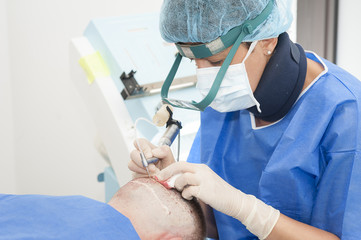
However, hair transplant surgery in the UK is not a decision that should be made in a hurry. Patients should understand the procedure, their suitability, possible results, recovery process, and the importance of choosing an experienced medical team. A detailed consultation is an important first step.

Understanding Hair Transplant Surgery

A hair transplant involves moving hair follicles from a donor area, usually where hair growth is more resistant to pattern loss, to areas where hair has become thinner or disappeared. Modern techniques focus on creating a natural appearance by considering hair direction, density, hairline design, and the patient’s existing hair.

The exact technique depends on individual needs. FUE, DHI and other modern approaches may be considered after assessing the patient’s hair loss pattern and donor supply.

Patients should remember that a hair transplant is a surgical procedure. It requires proper assessment and professional medical care. The aim should be a natural and sustainable result rather than simply adding as many grafts as possible.

Are You a Suitable Candidate?

Not everyone with hair loss is automatically suitable for a transplant. A proper assessment should consider the cause and pattern of hair loss, the condition of the scalp, donor hair availability, age, existing hair density, and expectations.

Some forms of hair loss may require medical investigation before a transplant is considered. Sudden or unexplained hair loss should be assessed by an appropriate medical professional.

A suitable candidate generally needs enough healthy donor hair to support the planned restoration. The long-term pattern of hair loss should also be considered because existing hair may continue to thin after surgery.

This is why choosing a reputable clinic and having a thorough assessment is so important.

The Importance of a Hair Transplant Consultation

A hair transplant consultation allows patients to discuss their concerns and understand what may realistically be achieved.

During the consultation, a qualified professional can assess the scalp and donor area, discuss the pattern of hair loss, review medical history where relevant, and explain possible treatment options. The proposed hairline and estimated graft requirements may also be discussed.

Patients should use this appointment to ask questions. They can ask about the recommended technique, expected recovery, possible risks, aftercare, and whether further treatment may be needed in the future.

A good consultation should focus on the patient’s individual circumstances rather than promising a standard result.

Comparing Hair Transplant UK Clinics

Choosing between hair transplant UK clinics requires careful research. Patients should look beyond advertisements, discounts, and promotional photographs.

Consider the experience and qualifications of the medical professionals involved. Understand who will carry out the important parts of the procedure and whether the clinic provides appropriate aftercare.

Patients should also look for clear information about the procedure, realistic expectations, patient safety, and follow-up care.

Before making a decision, it can be useful to prepare a list of questions and compare several clinics. A trustworthy provider should be willing to explain the process clearly rather than pressure a patient into booking quickly.

Understanding the Different Treatment Options

A modern hair transplant treatment can involve different techniques. FUE, for example, involves extracting individual follicular units from the donor area before placing them into recipient areas.

DHI is another technique that may be considered in suitable cases. It uses a specialised implantation approach. The choice between techniques should not be based only on which name sounds more advanced.

The patient’s hair type, donor supply, hair loss pattern, recipient area, and desired outcome all matter.

An experienced medical professional should recommend an appropriate approach after assessment rather than using the same technique for every patient.

Natural Results Depend on Planning

One of the biggest concerns for patients is whether the transplanted hair will look natural. Good planning plays a major role.

The hairline should suit the patient’s age, facial features, existing hair, and long-term expectations. Graft placement should also consider the direction and angle of natural hair growth.

Overly low or artificially straight hairlines may not provide a natural appearance. Experienced practitioners focus on creating a result that works with the patient’s existing hair.

The objective should be a balanced improvement rather than an unrealistic transformation.

Understanding the Recovery Process

Patients should plan for a recovery period after surgery. Some redness, swelling, sensitivity, scabbing, or temporary discomfort may occur, depending on the individual and the procedure.

The transplanted follicles need time to settle and develop. Hair growth does not happen immediately. Patients should follow the clinic’s aftercare instructions carefully, including guidance about washing the scalp, physical activity, sleeping position, and returning to normal routines.

The early appearance can also change as part of the normal growth cycle. Patience is important because the outcome develops gradually.

Results Take Time

One of the most important things to understand before undergoing a transplant is that the result is not instant.

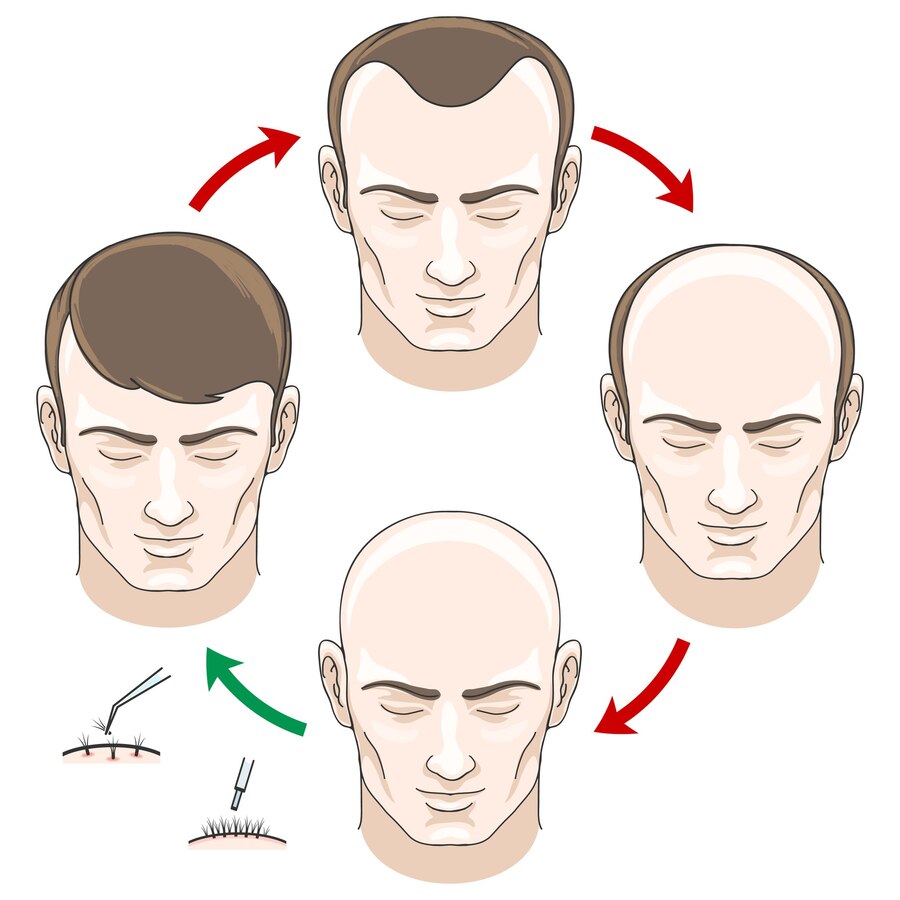
Newly transplanted hair goes through a growth cycle. Some transplanted hairs may shed initially before new growth develops. Visible improvement can take several months, while the fuller result may take longer.

Patients should therefore be cautious about clinics or advertisements that suggest an immediate transformation.

A realistic timeline should be discussed during the consultation. Individual results can vary depending on factors such as hair characteristics, healing, donor supply, and the underlying cause of hair loss.

Consider the Long-Term Picture

A transplant restores hair to selected areas, but it does not necessarily stop future hair loss in untreated areas.

This is particularly important for patients who still have significant amounts of native hair. Existing hair may continue to thin over time.

A responsible treatment plan should therefore consider the patient’s future hair pattern. In some cases, a medical professional may discuss additional hair-loss management alongside surgery.

Thinking about long-term hair health can help patients make a more informed decision.

Be Careful with Price-First Decisions

Cost is naturally an important consideration. However, choosing a clinic based only on the lowest price can create unnecessary risks.

The total cost may depend on factors such as the technique, number of grafts, clinical expertise, facilities, aftercare, and the complexity of the case.

Patients should compare what is included rather than comparing prices alone. A cheaper procedure may not provide the same level of professional involvement, planning, or aftercare.

A clear quotation should explain the treatment and associated services so patients can make an informed comparison.

Why Professional Guidance Matters

Hair restoration requires a combination of medical assessment, surgical skill, careful planning, and appropriate aftercare. Patients should choose providers who place safety and realistic expectations at the centre of the process.

Want Hair Ltd provides hair restoration services for people exploring their options. The company focuses on helping patients understand available procedures and make informed decisions based on their individual hair-loss concerns.

Anyone researching the best hair transplant in UK should look beyond rankings and marketing claims. The right choice depends on the patient’s needs, the expertise of the clinical team, the treatment plan, and the level of care provided before and after surgery.

Questions to Ask Before Booking

Before committing to hair transplant surgery in UK, patients should consider asking:

  1. Who will assess my hair loss?
  2. Who will perform the surgical procedure?
  3. Which technique is recommended and why?
  4. How many grafts may I need?
  5. What results are realistically possible?
  6. What will recovery involve?
  7. What aftercare is included?
  8. Could my existing hair continue to thin?
  9. Are there any additional treatments I should consider?
  10. What happens if I am not suitable for surgery?

Clear answers can help patients understand whether a clinic is right for them.

Conclusion

Choosing hair transplant surgery UK is a personal decision that requires careful research and realistic expectations. Patients should understand their cause of hair loss, assess their suitability, compare hair transplant UK clinics, and attend a detailed hair transplant consultation before making a commitment.

The right hair transplant treatment should be based on individual needs rather than trends or low prices. Patients should also understand that natural results take time and that long-term planning is essential.

With careful research, professional assessment, appropriate treatment planning, and proper aftercare, patients can approach hair restoration with greater confidence. Want Hair Ltd can help those exploring modern hair restoration options understand the process and consider a treatment plan suited to their individual requirements.
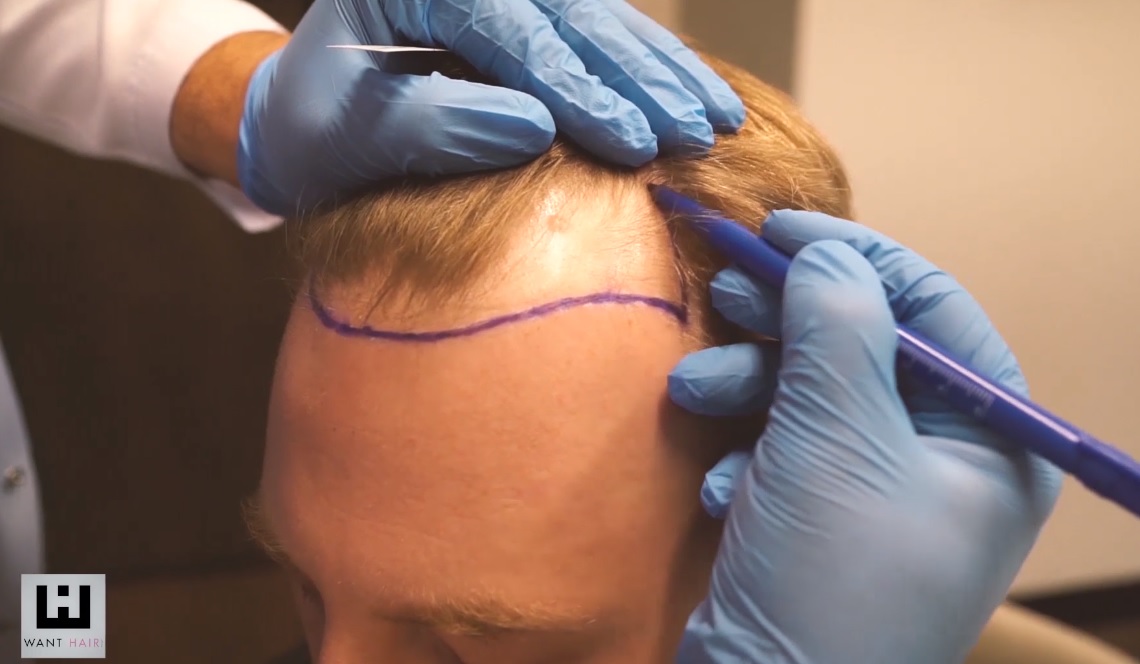
Personalised Hairline Design: A Growing Trend in Hair Transplant Turkey

Hair restoration has changed significantly in recent years. Patients are no longer looking only for more hair. They want results that look natural, balanced and suited to their facial features. This shift has made personalised hairline design an important part of modern hair restoration.

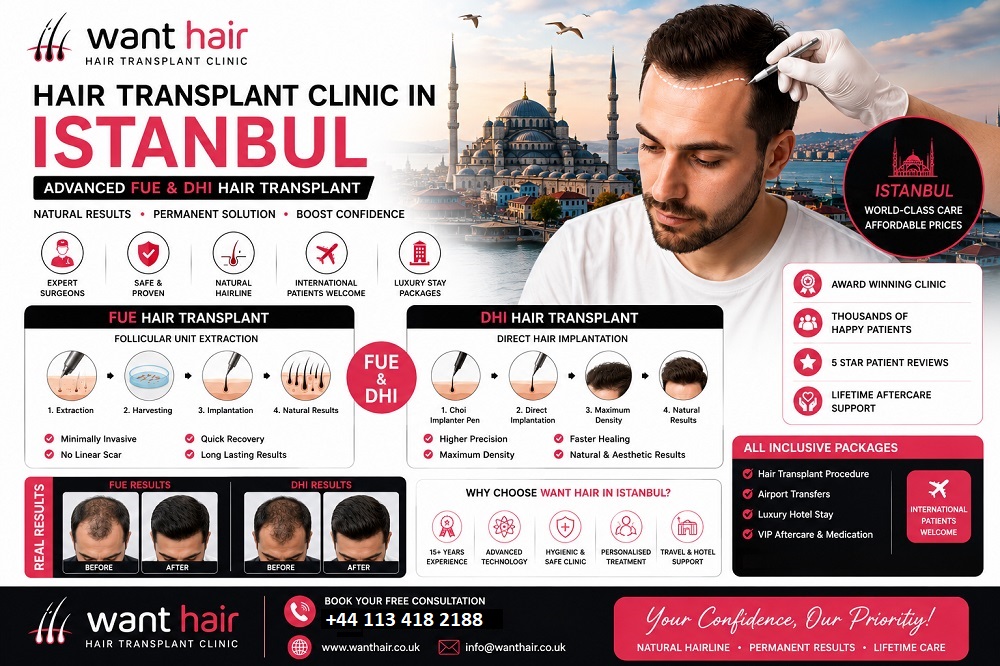
Turkey has become a popular destination for people seeking hair transplant procedures. Alongside advances in FUE, DHI and Sapphire FUE techniques, clinics are placing greater focus on individual hairline planning. The aim is simple: create a hairline that complements the patient’s appearance rather than following a standard template.

For people researching hair transplant Turkey options, understanding the importance of personalised hairline design can help them make more informed decisions.

What Is Personalised Hairline Design?

Personalised hairline design involves planning the position, shape and density of the new hairline according to the individual patient. It considers factors such as facial proportions, age, existing hair loss, donor hair availability and natural hair growth patterns.

A good hairline should not look perfectly straight. Natural hairlines usually have small variations in height, direction and density. A skilled hair restoration team studies these details before deciding where and how grafts should be placed.

This approach can create a softer transition between the forehead and transplanted hair. It can also help the final result look more natural as the patient ages.

Why Is Hairline Design So Important?

The hairline is one of the most visible parts of a hair transplant. Even when graft placement is technically successful, an unsuitable hairline can make the result look artificial.

A hairline that is placed too low may not suit the patient’s age or future hair-loss pattern. A design that is too straight can also create an unnatural appearance.

Personalised planning helps avoid these issues. The surgeon can assess the patient’s facial structure and create a design that works with the rest of the face.

For this reason, people comparing the best hair transplant in Turkey should look beyond package prices and procedure names. Hairline planning, medical assessment and surgical expertise are also important factors.

Facial Proportions Influence the Design

Every face is different. A hairline that looks appropriate on one person may not suit another.

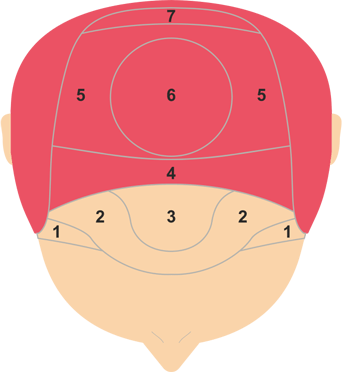
During consultation, professionals may consider the width of the forehead, facial length, temple shape and overall proportions. These factors can help determine the most suitable hairline position.

The patient’s natural hair characteristics also matter. Hair thickness, curl, direction and colour can influence how grafts should be placed.

The goal is not to create an identical hairline for every patient. It is to create a design that works specifically for that individual.

Age and Future Hair Loss Matter

Hair restoration should be planned for the long term. Hair loss may continue after a transplant, particularly in areas that have not been treated.

A very low hairline may require more grafts and may become difficult to maintain if further hair loss occurs behind it. A well-planned design considers both the patient’s current appearance and possible future changes.

This is why medical assessment is important before surgery. A qualified professional can evaluate the donor area, existing hair and likely progression of hair loss before recommending a treatment plan.

Patients looking for the best hair transplant surgery in Turkey should therefore ask how the clinic approaches long-term hair planning rather than focusing only on the number of grafts offered.

Natural Density Is More Important Than Maximum Density

Many people assume that the best result means placing as many grafts as possible. In reality, successful hair restoration requires careful use of the available donor supply.

The frontal hairline often needs fine grafts to create a natural transition. Behind the hairline, density can gradually increase.

This creates a layered effect that resembles natural growth. Grafts with fewer hairs may be used near the front, while larger graft groupings can be placed further back where appropriate.

A personalised plan allows the surgical team to distribute grafts according to the patient’s needs and available donor hair.

Technology Supports Better Planning

Modern hair transplant procedures can use advanced tools to support assessment and planning. Digital imaging and detailed donor-area analysis may help the medical team understand hair density and potential graft availability.

These tools can support consultation and treatment planning. However, technology should complement clinical judgement rather than replace it.

The quality of the result still depends heavily on appropriate patient selection, surgical planning, graft handling and placement.

People researching the best hair transplant clinic in Turkey should therefore consider the complete treatment process. Technology is useful, but it should form part of a wider medical approach.

FUE and DHI Can Support Different Hairline Goals

FUE and DHI are among the techniques used in modern hair restoration. Both involve harvesting individual follicular units, but the implantation process differs.

With FUE, follicles are extracted from the donor area and then implanted into prepared recipient sites. DHI uses an implantation device to place grafts into the recipient area.

Neither technique is automatically the right choice for every patient. The appropriate approach depends on hair loss, donor supply, graft requirements and the surgeon’s assessment.

A personalised hairline plan should therefore come before choosing a technique. The procedure should serve the treatment plan rather than the other way around.

Choosing Between Hair Transplant Centres in Turkey

Turkey has many providers offering hair restoration services. Patients should take time to compare hair transplant centres in Turkey before making a decision.

Important factors can include:

  1. The qualifications and experience of the medical team
  2. Who performs the critical stages of the procedure
  3. How the donor area is assessed
  4. How the hairline is designed
  5. Whether the treatment plan is personalised
  6. What aftercare is provided
  7. Whether realistic expectations are discussed
  8. How the clinic manages potential complications

Patients should also be cautious about claims that promise identical results for everyone. Hair transplantation is a medical procedure, and outcomes can vary between individuals.

Consultation Should Come Before Commitment

A proper consultation is an important part of the hair restoration journey. It allows the patient to discuss their expectations and understand what may realistically be achieved.

The consultation should cover the patient’s pattern of hair loss, donor area, desired hairline and possible future loss. It should also explain the recommended procedure and recovery process.

Patients should feel comfortable asking questions. A trustworthy clinic should provide clear information instead of pressuring someone into making a quick decision.

The Importance of a Conservative Hairline

Modern hair restoration often favours a conservative approach to hairline placement. This does not mean the result has to look thin. Instead, the design should create a natural frame for the face while preserving donor resources.

The frontal zone can be designed with irregularity and gradual density. This helps avoid the appearance of a sharply drawn line.

A conservative design may also provide greater flexibility if the patient experiences further hair loss later in life.

Aftercare Remains Part of the Process

Hair transplant surgery does not end when the procedure is complete. Proper aftercare is an important part of recovery.

Patients usually receive instructions covering washing, physical activity, sleeping position and protection of the treated area. Following the medical team’s instructions can help support recovery.

It is also important to understand that transplanted hair does not appear fully grown immediately. The growth process takes time, and the outcome develops gradually.

Patients should therefore judge progress over the appropriate recovery period rather than expecting an immediate transformation.

Want Hair Ltd: Helping Patients Explore Hair Restoration Options

Want Hair Ltd provides information and support for people considering hair restoration, including treatment options in Turkey. The company helps patients explore available procedures and understand important aspects of planning a hair transplant abroad.

For anyone researching hair restoration, choosing a provider should involve more than comparing prices. The quality of consultation, approach to hairline design, medical expertise and aftercare should all be considered.

Through informed planning, patients can make decisions based on their individual needs and realistic expectations.

Conclusion

Personalised hairline design is becoming an important part of modern hair restoration in Turkey. The focus has moved beyond simply replacing lost hair. Patients increasingly want results that complement their facial structure and look natural over time.

A successful plan considers facial proportions, age, existing hair, donor availability and potential future hair loss. FUE, DHI and other techniques can then be selected according to the patient’s individual requirements.

Anyone considering hair transplant Turkey should research providers carefully and compare hair transplant centres in Turkey based on medical standards, consultation quality, surgical expertise and aftercare.

Rather than choosing a clinic simply because it advertises itself as offering the best hair transplant in Turkey or the best hair transplant surgery in Turkey, patients should look for a personalised and medically responsible approach.

With appropriate planning and realistic expectations, personalised hairline design can play a valuable role in creating a natural-looking hair restoration result.

FUE Hair Transplant in Turkey for Patients with Receding Hairlines

A receding hairline can change the way a person feels about their appearance. It can make the forehead look wider and alter facial proportions. For people looking for a lasting hair restoration option, follicular unit extraction (FUE) is a popular technique.

Turkey has become a major destination for hair restoration. Patients from the UK and other countries often consider Turkey because of its specialist clinics and established medical tourism sector. However, choosing a clinic should involve more than comparing prices or package deals.

A well-planned FUE hair transplant in Turkey procedure should begin with a proper assessment of hair loss, donor hair, hairline design and long-term goals.

Understanding a Receding Hairline

A receding hairline often develops gradually. It may begin with thinning around the temples before progressing further towards the crown. Male pattern hair loss is a common cause, although several other factors can affect hair density.

The extent of recession varies from person to person. Some patients may have mild temple thinning. Others may have a significantly receded hairline with reduced density across the front of the scalp.

This is why every hair transplant plan should be personalised. A good surgeon will assess the donor area and consider how the hair may continue to change over time.

How FUE Can Address Hairline Recession

FUE involves removing individual follicular units from a donor area, usually at the back or sides of the scalp. These grafts can then be placed into areas affected by hair loss.

For a receding hairline, careful placement is particularly important. The front hairline is highly visible. An unnatural design can therefore make the result look obvious.

The aim is usually to create a natural-looking hairline that suits the patient’s facial features. Graft placement also needs to consider hair direction, density and the available donor supply.

Patients researching the best FUE hair transplant Turkey options should therefore look closely at the quality of consultation and treatment planning rather than focusing only on the number of grafts offered.

Why Hairline Design Matters

A hair transplant is not simply about filling empty areas. Hairline design plays a major role in the final appearance.

A very straight or low hairline may look unnatural. A carefully designed hairline can include subtle irregularities that mimic natural growth. The shape should also complement the patient’s age and facial structure.

An experienced hair transplant surgeon will consider factors such as:

  1. The patient’s current hairline
  2. Facial proportions
  3. Age
  4. Donor hair availability
  5. Hair thickness and texture
  6. Existing hair loss
  7. Possible future recession

These factors help create a treatment plan that looks natural rather than simply maximising graft numbers.

Choosing the Right Clinic in Turkey

Turkey has many clinics offering hair restoration. The quality and experience of providers can vary. Patients should therefore carry out proper research before making a decision.

Someone searching for the best hair transplant clinic in Turkey should look beyond advertisements. Check the surgeon’s qualifications, experience, treatment approach and examples of previous work.

It is also important to understand who will perform each part of the procedure. In some clinics, several members of a medical team may be involved. Patients should know the level of direct involvement provided by the surgeon.

Clear communication before treatment is another important factor. A proper consultation should explain the expected outcome, limitations, possible risks and aftercare requirements.

What Makes a Good FUE Clinic?

There is no single clinic that is automatically the right choice for every patient. Individual requirements differ.

However, patients can look for several important qualities when comparing the best FUE hair transplant clinic options in Turkey. These include qualified medical professionals, appropriate facilities, transparent treatment information and realistic advice.

A responsible clinic should not promise guaranteed results. Hair transplantation has limitations, and the outcome can vary between patients.

Patients should also receive clear information about recovery. Understanding what happens after the procedure is just as important as understanding the procedure itself.

Why Turkey Appeals to International Patients

Turkey has developed a strong reputation for medical tourism, including hair restoration. Istanbul, in particular, has become well known among international patients seeking hair transplant procedures.

For UK patients, travelling abroad for treatment can seem attractive. However, convenience should not replace proper research.

Before travelling, patients should understand the clinic’s consultation process, treatment plan, accommodation arrangements if included, transport details and post-treatment support.

Patients considering the best hair transplant in Turkey should also check whether follow-up support is available after returning to the UK.

Cost Should Not Be the Only Factor

Price is naturally an important consideration. Hair transplant packages in Turkey can vary depending on the clinic, surgeon, technique, number of grafts and services included.

However, the cheapest package is not necessarily the best choice.

Patients should consider the complete value of treatment. A lower price may not include every service they expect. It is therefore useful to ask for a detailed breakdown before booking.

A quality-focused approach considers medical expertise, treatment planning, safety, aftercare and expected results alongside cost.

Preparing for FUE Treatment

Good preparation can help patients approach treatment with realistic expectations.

Before travelling, patients should provide accurate information about their medical history and current hair loss. They should also follow any instructions provided by their medical team.

A consultation should establish whether FUE is suitable. Not every person with a receding hairline will require a transplant immediately. In some cases, other approaches may be considered first.

The key is to make a decision based on professional assessment rather than pressure to book quickly.

Recovery and Aftercare

After FUE, the transplanted area needs careful handling. Patients may experience temporary redness, swelling or sensitivity. The medical team should provide specific instructions for washing, sleeping and protecting the treated area.

Following aftercare advice is important during the early recovery period. Patients should also understand that transplanted hair does not produce its final appearance immediately.

Hair growth takes time. The initial changes may be gradual, and the final result can take several months to develop.

Choosing Want Hair Ltd for Your Hair Restoration Journey

Want Hair Ltd provides hair transplant information and treatment options for people considering hair restoration in Turkey. Its approach focuses on helping patients understand available procedures and make informed decisions.

For patients exploring the best FUE hair transplant clinic in Turkey, having access to clear information is an important part of the decision-making process. Patients can discuss their hair loss concerns, treatment goals and suitable options before proceeding.

A professional consultation can also help establish whether FUE is appropriate and what a realistic treatment plan may involve.

Looking Beyond the Immediate Hairline

One of the most important considerations for patients with a receding hairline is long-term planning.

Hair loss can continue after a transplant. Existing non-transplanted hair may become thinner over time. A good treatment plan should therefore consider future hair loss rather than focusing only on today’s appearance.

The available donor area is limited. Using it carefully can help preserve options for the future.

This is why patients should be cautious about clinics that focus only on large graft numbers. Strategic planning can be more important than simply transplanting as many grafts as possible.

Conclusion

A receding hairline can have a significant effect on facial appearance, but modern hair restoration can offer suitable patients an option for improving hair density and restoring the frontal hairline.

An FUE hair transplant in Turkey procedure can provide natural-looking results when it is properly planned and performed by qualified professionals. Hairline design, donor management, surgeon experience and aftercare all have an important role to play.

Patients searching for the best hair transplant in Turkey, best hair transplant clinic in Turkey, best fue hair transplant clinic in Turkey, or best fue hair transplant Turkey should take time to research their options carefully.

With its focus on hair restoration solutions and patient information, Want Hair Ltd can help prospective patients explore their options and approach their hair transplant journey with realistic expectations.

Plan Your Treatment with Confidence – Hair Transplant in Turkey Package

Hair loss can affect your confidence and the way you see yourself. For many people, hair restoration is more than a cosmetic choice. It is a personal decision that can improve how they feel about their appearance.

Turkey has become a popular destination for people seeking hair restoration. International patients often choose Turkey because clinics offer modern hair transplant techniques and organised services. For those travelling from abroad, a hair transplant in Turkey package can also make the process simpler.

A package may combine the procedure with services such as accommodation, airport transfers and patient support. However, every provider offers different terms. Patients should understand the treatment, costs, medical care and aftercare before booking.

Planning carefully is the first step towards a safe and informed hair restoration journey.

Start with a Professional Hair Transplant Consultation

Every hair restoration journey should begin with an assessment. A hair transplant consultation helps the medical team understand your pattern of hair loss and assess whether transplantation is suitable.

During the consultation, the provider may examine the donor area, hair density and scalp condition. Your age, hair loss pattern and future hair loss may also be considered when developing a treatment plan.

This stage is important because not every patient needs the same number of grafts or the same technique. A personalised plan can help protect the donor area and support a natural-looking result.

The consultation is also the right time to ask questions. You can ask who will perform the procedure, which technique is recommended, what recovery may involve and how aftercare will be managed.

A professional consultation should focus on realistic expectations. Be cautious of providers who promise guaranteed or instant results.

Understand Hair Transplant Treatment in Turkey

Modern hair transplantation involves moving healthy hair follicles from a donor area to areas affected by hair loss. FUE is one of the commonly used techniques. DHI may also be recommended for selected patients.

The most suitable method depends on your individual needs. Your donor supply, hair characteristics, level of hair loss and desired outcome all play a role.

When researching hair transplant treatment in Turkey, look beyond advertisements. Consider the complete treatment journey. This includes consultation, planning, the procedure itself, recovery advice and follow-up care.

A good treatment plan should aim for a natural appearance. The new hairline should suit your facial features and existing hair. Careful graft placement can help create a balanced result.

Why Turkey Is a Popular Hair Restoration Destination

Turkey has developed a strong reputation in medical tourism. Hair restoration is one of the procedures that attracts international patients.

Patients from different countries travel to Turkey for hair transplant procedures. Clinics may offer organised services that help international patients manage their treatment journey.

However, popularity does not automatically mean that every provider offers the same level of care.

Patients should research each clinic carefully. Check the qualifications and experience of the medical team. Ask who will carry out the consultation and procedure. Understand the clinic’s approach to safety, treatment and aftercare.

The goal should be to find a provider that offers appropriate medical care, clear communication and realistic expectations.

Understand Hair Plantation Cost in Turkey

Cost is an important factor when planning treatment abroad. The hair plantation cost in Turkey can vary significantly depending on the patient’s treatment requirements.

The number of grafts required is one major factor. A patient with extensive hair loss may need more grafts than someone with mild thinning.

The treatment technique can also affect the price. Other factors may include the clinic, medical team, facilities and services included in the package.

Patients should ask for a detailed quotation. Avoid making a decision based only on an advertised starting price.

A transparent quote should explain what you will receive and whether additional costs may apply.

What Affects Hair Transplant Cost Turkey?

The hair transplant cost in Turkey can depend on several factors. There is no single price that applies to every patient.

The number of grafts, chosen treatment method and level of medical supervision may all affect the total cost. International patients should also consider travel expenses.

Flights, accommodation, airport transfers and personal expenses may be separate from the treatment fee unless they are included in a package.

Before booking, ask your provider for a complete breakdown. Find out whether the quoted amount includes:

  1. Initial consultation
  2. Hair transplant procedure
  3. Medical supplies
  4. Prescribed medication
  5. Accommodation
  6. Airport transfers
  7. Aftercare guidance
  8. Follow-up support

Knowing the full cost in advance can help you avoid unexpected expenses.

What Is a Hair Transplant in Turkey Package?

A hair transplant in Turkey package may combine several services into one organised treatment plan. This can be helpful for patients travelling internationally.

Depending on the provider, the package may include the procedure, hotel accommodation and airport transfers. Some providers may also offer consultation, local transport and patient assistance.

However, package contents vary. Do not assume that every provider offers the same services.

Before booking, ask for a written breakdown of the package. Check what is included and what is not included.

The medical treatment should remain the main priority. A convenient package is useful, but convenience should never replace careful consideration of medical quality.

Compare Your Turkey Hair Transplant Package

When comparing a Turkey hair transplant package, look beyond the headline price.

First, investigate the medical team. Find out who will assess your hair loss and who will perform the procedure.

Next, understand the treatment plan. Ask how many grafts are recommended and why. You should also know which technique will be used and how it suits your individual needs.

Then review the package services. Check the hotel arrangements, airport transfers, treatment schedule and aftercare.

A package that costs more may include additional services. A cheaper option may exclude important elements.

The best choice is not always the cheapest one. Look for a balance between appropriate treatment, professional care, transparent pricing and patient support.

Compare Different Hair Transplant Packages

There are many hair transplant packages available to international patients. They can differ in price, treatment methods and included services.

Some packages may provide basic treatment only. Others may include accommodation, airport transfers, consultation and aftercare support.

Create a checklist when comparing options. Consider:

  1. Medical team and qualifications
  2. Recommended treatment technique
  3. Number of grafts
  4. Clinic facilities
  5. Accommodation
  6. Airport transfers
  7. Medication
  8. Aftercare
  9. Follow-up support
  10. Total cost

This makes it easier to compare packages based on value rather than price alone.

A reliable provider should explain the package clearly. You should never feel pressured to book before you understand the treatment and costs.

Prepare Before Travelling to Turkey

Good preparation can make your treatment journey easier. Before travelling, ask your provider for pre-treatment instructions.

You may receive advice about medication, alcohol, smoking, exercise and hair care. Follow all instructions given by your medical team.

Prepare your travel documents and keep your clinic contact information with you.

It is also important to plan enough time for recovery. Avoid scheduling demanding activities immediately after your procedure.

Ask your provider when you can return to work, exercise and other normal activities. Recovery varies between patients, so follow personalised medical advice.

Hair Transplant Recovery and Aftercare

Aftercare is an important part of the treatment process. Following your provider’s instructions can support proper healing.

Your scalp may experience temporary redness, swelling or sensitivity after the procedure. Your medical team should explain how to care for the treated area.

Do not scratch or unnecessarily touch the scalp. Follow instructions about washing and using any prescribed products or medication.

It is also important to have realistic expectations. Hair growth takes time. The final appearance will not be visible immediately after the procedure.

Your provider should explain what you can expect during the different stages of recovery.

Choose Quality and Professional Care

Price is often an important consideration, but it should not be the only one.

A hair transplant is a medical procedure. The quality of the assessment, planning and treatment can influence the outcome.

Research the clinic and medical professionals carefully. Ask about experience, qualifications and the role of the medical team.

Be cautious when you see promises of perfect results or unusually low prices. A responsible provider should explain both the benefits and limitations of treatment.

Clear communication is another important factor. You should know who to contact before travelling, during your stay and after returning home.

Why Consider Want Hair Ltd?

International patients often prefer an organised treatment experience. Want Hair Ltd provides hair restoration options for patients exploring treatment in Turkey.

Before choosing any provider, discuss your hair loss and treatment goals with the medical team. Ask for a clear treatment plan and understand the services included in your package.

Patients should also understand the expected recovery period and aftercare requirements.

A good provider should help patients make informed choices rather than rushing them into a decision.

Make an Informed Decision About Your Treatment

Choosing hair restoration requires careful planning. Start with a detailed assessment and understand whether a transplant is suitable for your situation.

Compare clinics based on medical care, treatment planning, experience, package details and aftercare.

If you are travelling internationally, consider the full journey. Accommodation and airport transfers can make the process easier, but the quality of treatment should remain the priority.

Take your time. Ask questions and request clear information before making a booking.

Conclusion

Planning your hair restoration carefully can help you make a confident decision. A hair transplant in Turkey package can provide international patients with a convenient way to organise treatment and selected travel services.

Begin with a professional hair transplant consultation and understand the treatment recommended for your needs. When researching hair transplant treatment in Turkey, consider the medical team, technique, clinic and aftercare.

It is also important to understand the hair plantation cost in Turkey and the factors that affect the hair transplant cost in Turkey. When comparing a Turkey hair transplant package, look at every service included rather than focusing only on the advertised price. Compare different hair transplant packages and check their treatment, accommodation, transfers and aftercare provisions.

With careful research, realistic expectations and professional guidance, you can plan your hair restoration journey with greater confidence and peace of mind.

International Patient Guide to Hair Transplant Treatment in Turkey

Travelling abroad for hair restoration is a major decision. International patients need more than an attractive price. They need clear information, skilled medical care, safe facilities and reliable support before, during and after treatment.

Turkey has become a popular destination for medical tourism. Its health tourism system is regulated by the Turkish Ministry of Health, which sets requirements for authorised healthcare providers and international health tourism services.

For anyone considering a hair transplant, careful planning is essential. From the first hair transplant consultation to post-treatment care, every stage can affect the quality of the experience and the final result.

Why Consider Turkey for Hair Restoration?

Hair loss can affect both appearance and confidence. A hair transplant aims to restore hair in areas affected by thinning or baldness. Turkey attracts international patients because it offers access to specialist clinics, modern treatment facilities and services designed for overseas visitors.

However, choosing a destination should not be based on cost alone. The surgeon’s experience, treatment plan, clinic standards and aftercare are all important.

Patients should also check whether the healthcare provider is authorised to provide international health tourism services. Turkey’s Ministry of Health maintains information about authorised healthcare providers and facilitators.

Start with a Detailed Hair Transplant Consultation

A proper hair transplant consultation should be the first step. It allows the medical team to assess your hair loss, donor area, scalp condition and overall suitability for treatment.

During the consultation, patients can discuss their goals and expectations. The doctor may also assess the pattern and extent of hair loss before recommending a suitable approach.

A good consultation should answer important questions such as:

  1. How many grafts may be required?
  2. Which treatment technique is suitable?
  3. What can the patient realistically expect?
  4. How long will recovery take?
  5. What type of aftercare will be provided?
  6. What is included in the quoted price?

International patients should receive clear information before travelling. Turkey’s international health tourism framework includes requirements for healthcare facilities to provide information to overseas patients and maintain suitable systems for international care.

Understanding Hair Transplant Treatment Turkey

The phrase hair transplant treatment Turkey covers the complete treatment journey, not only the procedure itself. For an international patient, the journey may include online consultation, medical assessment, travel planning, treatment, recovery guidance and follow-up support.

Hair transplant techniques can vary. FUE is widely used because individual follicular units can be extracted from the donor area and placed into areas with hair loss. Other techniques may also be considered depending on the patient’s needs.

The right procedure should be selected after a medical assessment. A technique that works well for one patient may not be suitable for another.

This is why patients should avoid clinics that promise the same result for everyone. A personalised treatment plan is more appropriate.

What Determines Hair Transplant Cost?

Price is naturally an important consideration for international patients. However, the hair plantation cost in Turkey can vary from one clinic and patient to another.

The number of grafts, treatment technique, medical team, clinic standards and additional services can all influence the total cost.

Patients should ask for a detailed quotation before making travel arrangements. A low price may appear attractive, but it is important to understand exactly what is included.

The hair transplant cost Turkey patients receive should be viewed alongside the quality of medical care. Patients should check whether the quotation includes consultation, treatment, medication, aftercare, accommodation, transfers or other services.

Turkey’s health tourism regulations also require international health tourism facilities to provide billing information and detailed information about healthcare services provided.

What Is Included in a Hair Transplant Package?

International patients often prefer packages because they can make travel planning easier. A hair transplant in Turkey package may combine medical treatment with services such as airport transfers, accommodation and patient assistance.

However, packages can differ greatly between providers. Patients should never assume that every package includes the same services.

Before booking, ask for a written breakdown. Check:

  1. Number of grafts included
  2. Treatment technique
  3. Doctor or surgeon involvement
  4. Clinic location
  5. Number of treatment days
  6. Accommodation
  7. Airport and hotel transfers
  8. Medication
  9. Follow-up appointments
  10. Aftercare support

A clear package helps patients understand what they are paying for and reduces the risk of unexpected costs.

Comparing Turkey Hair Transplant Package Options

When searching for a Turkey hair transplant package, compare the medical service first and the travel benefits second.

A package may look attractive because it includes a hotel and transfers. Yet these extras should not distract from the most important question: who will perform the medical treatment?

Look at the clinic’s credentials, medical team, patient communication and approach to aftercare. Ask who will extract the grafts and who will implant them. You should also understand how the treatment plan is created.

The Turkish Ministry of Health states that healthcare providers and intermediary organisations involved in international health tourism require appropriate authorisation.

Choosing Between Hair Transplant Packages

There are many hair transplant packages available to international patients. The best choice is not always the cheapest one.

Instead, compare the full service.

A reliable provider should explain the treatment process before you travel. You should know what happens on arrival, how the procedure will be managed and what support you will receive after returning home.

Be cautious about offers that promise an unusually high number of grafts without a proper assessment. More grafts do not automatically mean a better result. Donor hair is limited, so it must be used carefully.

The aim should be a natural-looking result that matches your existing hair and long-term hair pattern.

Preparing for Your Trip to Turkey

Good preparation can make the experience easier. Once your treatment has been medically approved, organise your travel documents, accommodation details and clinic information.

Keep copies of your medical records and treatment plan. Ask the clinic about any instructions you should follow before travelling.

International patients should also understand how they can contact the clinic if they have questions during their stay. A dedicated international patient service can be helpful, especially when language or travel arrangements are involved.

Turkey’s Ministry of Health has a dedicated Health Tourism Department that handles health tourism planning, permits, patient admission criteria and patient support.

What to Expect After the Procedure

After a hair transplant, the scalp needs time to recover. Patients may experience temporary redness, swelling or sensitivity. The clinic should provide clear instructions for washing, sleeping, physical activity and medication.

Following these instructions carefully is important.

Hair growth is not immediate. Transplanted hair goes through a natural recovery and growth cycle. Patients should therefore have realistic expectations and understand that the final appearance develops over time.

Post-treatment communication also matters. Before travelling home, ask how follow-up will work. Find out whether the clinic provides remote support and who you should contact if you have concerns.

Why Aftercare Matters for International Patients

Aftercare becomes even more important when you live in another country. You may return home soon after treatment, so you need clear guidance before leaving Turkey.

A professional provider should explain what is normal during recovery and what may require medical attention.

Keep all treatment documents and follow-up instructions. If you need to contact another healthcare professional at home, these records can provide useful information about the procedure you received.

Patients should also be wary of providers that focus heavily on sales but provide little information about aftercare. A hair transplant is not simply a one-day procedure. Recovery and long-term monitoring are important parts of the patient journey.

Why Patients Should Check Authorisation

Medical treatment abroad requires careful research. Patients should verify the clinic and, where applicable, the healthcare provider or intermediary’s authorisation status.

Turkey’s Ministry of Health publishes lists of authorised healthcare providers and facilitators for international health tourism.

This is an important step before making a booking.

Patients should also check the doctor’s professional background, the clinic’s facilities and the level of communication provided before treatment.

Choosing a Trusted Hair Transplant Provider

A good provider should place medical suitability above sales. The consultation should be detailed. The treatment plan should be realistic. Pricing should be transparent. Aftercare should be clearly explained.

For international patients researching their options, Want Hair Ltd can be considered as part of the wider research process. Patients should still review the treatment plan, medical credentials, package details and aftercare arrangements before making a final decision.

Do not be afraid to ask questions. A trustworthy provider should be willing to explain the treatment in clear language.

Questions to Ask Before Booking

Before confirming your treatment, prepare a list of questions. Ask who will perform the procedure, which technique is recommended and why.

Ask how many grafts are planned and whether the number has been based on a medical assessment. Request a full cost breakdown and confirm what your package includes.

You should also ask about:

  1. Consultation and assessment
  2. Treatment location
  3. Medical team
  4. Graft numbers
  5. Recovery instructions
  6. Follow-up care
  7. Emergency contact arrangements
  8. Accommodation and transfers
  9. Additional charges

Getting these answers in writing can help you make a more informed decision.

Conclusion

Choosing hair restoration abroad requires careful research. Turkey offers a structured international health tourism system, with Ministry of Health requirements for authorised healthcare providers and international patient services.

For international patients, the best approach is to look beyond price. Start with a detailed hair transplant consultation. Understand the recommended treatment. Compare the hair plantation cost in Turkey and the full hair transplant cost Turkey providers offer. Review each hair transplant in Turkey package, compare every Turkey hair transplant package, and examine the details of different hair transplant packages.

Most importantly, choose a provider based on medical standards, transparency, realistic expectations and aftercare. With careful preparation and the right professional guidance, international patients can approach their hair restoration journey with greater confidence.

UK Hair Transplant Clinic with Proven Hair Restoration Techniques

Hair loss affects millions of people across the United Kingdom. It can change how you look and how you feel about yourself. Many people experience thinning hair because of genetics, ageing, hormonal changes, stress, or medical conditions. The good news is that modern hair restoration offers safe and reliable solutions.

Choosing the right hair transplant clinic in the UK is one of the most important decisions you will make. A reputable clinic combines experienced surgeons, advanced technology, and personalised treatment plans to deliver natural-looking results. Whether you are searching for a trusted clinic in Manchester, Leeds, or another part of the UK, understanding the available procedures will help you make an informed choice.

Want Hair Ltd is recognised for providing professional guidance and modern hair restoration techniques designed to help patients regain confidence with natural results.

Why Choosing the Right Hair Transplant Clinic Matters

Selecting a reputable UK hair transplant clinic is about much more than price. Hair transplantation is a medical procedure that requires skill, precision, and experience. The quality of the surgeon directly affects the final appearance of your hairline and overall density.

An established clinic begins with a detailed consultation. During this appointment, the surgeon examines your scalp, discusses your expectations, reviews your medical history, and determines whether you are a suitable candidate.

The best clinics never promise unrealistic results. Instead, they provide honest advice, explain every stage of the procedure, and create a personalised treatment plan. This transparent approach helps patients feel confident before, during, and after treatment.

Understanding Modern Hair Restoration Techniques

Hair restoration has improved dramatically over the past decade. Today’s procedures produce natural-looking outcomes with minimal discomfort and shorter recovery times.

The most common techniques include:

Follicular Unit Extraction (FUE)

FUE is one of the most popular hair transplant methods available today. Individual hair follicles are carefully extracted from the donor area and implanted into areas affected by hair loss.

This technique leaves tiny, almost invisible scars and offers a quicker recovery than older methods. Patients often prefer FUE because it provides natural hair growth and excellent cosmetic results.

Direct Hair Implantation (DHI)

DHI is an advanced variation of FUE. Hair follicles are implanted directly into the scalp using specialised implantation tools.

This technique allows surgeons to control the angle, direction, and depth of every graft, creating an exceptionally natural appearance.

Sapphire FUE

Sapphire FUE uses ultra-sharp sapphire blades instead of traditional steel blades. The precise incisions reduce tissue trauma and may support faster healing while improving graft placement.

Many leading UK clinics now offer Sapphire FUE because of its excellent aesthetic outcomes.

Benefits of Choosing a Professional Hair Transplant Clinic

A trusted clinic provides far more than the procedure itself. Patients benefit from comprehensive care throughout the entire journey.

Key advantages include:

  1. Personalised treatment planning
  2. Experienced and qualified surgeons
  3. Modern surgical equipment
  4. High hygiene and safety standards
  5. Natural-looking hairlines
  6. Comprehensive aftercare
  7. Long-term follow-up support

These factors work together to maximise successful hair growth and patient satisfaction.

Finding a Reliable Hair Transplant Clinic in Manchester

Manchester has become one of the UK’s leading destinations for cosmetic and hair restoration treatments. Choosing a professional UK hair transplant clinic in Manchester provides access to experienced specialists and advanced surgical technology.

Patients often choose Manchester because of its excellent transport links, highly trained surgeons, and competitive pricing. Clinics in Manchester typically offer comprehensive consultations before recommending treatment.

An experienced surgeon will evaluate the quality of your donor hair, determine the number of grafts required, and explain realistic expectations based on your hair loss pattern.

Many patients travel from across the UK to receive treatment in Manchester because of the city’s reputation for medical excellence.

Why Patients Choose a Hair Transplant Clinic in Leeds

Leeds has also become an important centre for hair restoration. A reputable UK hair transplant clinic in Leeds combines modern facilities with highly trained professionals who specialise in restoring natural hair growth.

Clinics in Leeds focus on individual treatment rather than one-size-fits-all solutions. Every patient has unique hair characteristics, facial proportions, and long-term goals.

Before surgery, specialists assess:

  1. Hair density
  2. Donor area quality
  3. Hairline design
  4. Existing hair growth
  5. Future hair loss pattern

This detailed assessment ensures long-lasting and balanced results.

What Makes the Best Hair Transplant Clinics Different?

The best hair transplant clinic in UK stands out because of its commitment to quality, patient care, and surgical excellence.

Important qualities include:

Experienced Medical Team

Highly skilled surgeons perform hundreds of successful procedures and stay updated with the latest developments in hair restoration.

Advanced Technology

Modern equipment improves precision, minimises discomfort, and supports better healing.

Individual Treatment Plans

No two patients experience hair loss in the same way. Personalised treatment delivers more natural and lasting outcomes.

Honest Consultations

Professional clinics explain both the benefits and limitations of surgery. They only recommend treatment when it is genuinely appropriate.

Comprehensive Aftercare

Excellent aftercare plays an important role in achieving successful hair growth. Patients receive detailed guidance about washing, medication, healing, and follow-up appointments.

Who Is a Suitable Candidate?

Hair transplantation is suitable for many adults experiencing permanent hair loss.

Ideal candidates usually have:

  1. Male pattern baldness
  2. Female pattern hair thinning
  3. Stable hair loss
  4. Healthy donor hair
  5. Good overall health
  6. Realistic expectations

A consultation helps determine whether surgery is the most suitable treatment.

The Hair Transplant Journey

Understanding each stage helps patients feel more comfortable before treatment.

Initial Consultation

The consultation includes scalp analysis, medical assessment, and discussion of your desired outcome.

Hairline Planning

The surgeon carefully designs a natural-looking hairline that complements your age and facial features.

Graft Extraction

Healthy follicles are collected from the donor area with great precision.

Implantation

Each graft is implanted individually to achieve natural density and direction.

Recovery

Most patients return to normal daily activities within a few days. Full hair growth develops gradually over several months.

Recovery and Long-Term Results

Healing is usually straightforward when aftercare instructions are followed carefully.

Patients should:

  1. Avoid strenuous exercise for several days.
  2. Sleep with their head elevated.
  3. Protect the scalp from direct sunlight.
  4. Follow the prescribed washing routine.
  5. Attend follow-up appointments.

Initially, transplanted hairs may shed before new growth begins. This is completely normal. New hair usually starts growing after three to four months, with continued improvement over the following year.

Why Natural Results Matter

Modern hair transplantation focuses on creating subtle improvements rather than an artificial appearance.

Experienced surgeons carefully consider:

  1. Hairline shape
  2. Hair direction
  3. Hair angle
  4. Hair density
  5. Facial symmetry

Attention to these details produces results that blend naturally with existing hair.

How to Choose the Best Hair Transplant Clinic in the UK

When comparing clinics, consider more than cost alone.

Ask questions about:

  1. Surgeon qualifications
  2. Years of experience
  3. Before-and-after photographs
  4. Treatment methods
  5. Patient reviews
  6. Safety standards
  7. Aftercare programme

Choosing an experienced clinic reduces risks and improves the likelihood of achieving long-lasting, natural-looking hair restoration.

The Importance of Personalised Treatment

Every person’s hair loss journey is unique. Age, genetics, lifestyle, donor hair quality, and future hair loss all influence the treatment approach.

Professional clinics invest time in understanding every patient’s needs before recommending surgery. This personalised planning helps achieve balanced, natural, and sustainable results.

Whether you visit a hair transplant clinic Manchester, a hair transplant clinic Leeds, or another respected hair transplant clinic UK, selecting a clinic that prioritises quality and patient care is essential for long-term satisfaction.

Conclusion

Hair transplantation has transformed the lives of countless people by restoring natural hair growth and improving confidence. Modern techniques such as FUE, DHI, and Sapphire FUE offer safe, effective, and natural-looking results when performed by experienced professionals.

Choosing the right hair transplant clinic UK is the foundation of a successful outcome. Patients should look for experienced surgeons, advanced technology, transparent consultations, and comprehensive aftercare. Whether you are considering a hair transplant clinic Manchester, a hair transplant clinic Leeds, or searching for the best hair transplant clinic in the UK, thorough research and expert guidance are essential. With patient-centred care, personalised treatment plans, and modern hair restoration techniques, Want Hair Ltd continues to help individuals take positive steps towards restoring their hair and renewing their confidence.

Save Thousands on Hair Transplant Turkey Without Compromising Quality

Hair loss affects millions of men and women across the world. It can lower confidence and change how people feel about their appearance. While many treatments promise results, hair transplant surgery remains one of the most effective and permanent solutions. The challenge for many people is finding excellent treatment without paying an extremely high price.

This is one of the main reasons why Hair Transplant Turkey has become a global choice. Every year, thousands of patients travel to Turkey to receive advanced hair restoration procedures performed by experienced surgeons using modern technology. Patients often save a significant amount of money compared with treatment in the UK, Europe, and North America while still receiving outstanding medical care.

Whether you are dealing with a receding hairline, thinning hair, or bald patches, choosing the right clinic can help you achieve natural-looking and long-lasting results. This guide explains why Turkey has become the world’s leading destination for hair transplantation and what you should consider before making your decision.

Why Choose Hair Transplant Turkey?

The popularity of Hair Transplant Turkey continues to grow because patients receive exceptional value for money. Turkish clinics have invested heavily in modern facilities, highly trained surgeons, and advanced surgical techniques.

Unlike many countries where hair transplant procedures are expensive due to higher operating costs, clinics in Turkey can offer premium treatments at much lower prices without sacrificing quality. This allows patients to receive world-class care while keeping their overall expenses manageable.

Many clinics also provide complete treatment packages that include airport transfers, hotel accommodation, interpreter services, consultations, medication, and post-operative care. These all-inclusive packages make travelling abroad for treatment much easier and more convenient.

Another major advantage is the extensive experience of Turkish surgeons. Many specialists perform several hair transplant procedures every day, giving them valuable expertise in creating natural hairlines and achieving high graft survival rates.

Why Istanbul Leads the Hair Restoration Industry

When discussing Hair Transplant Turkey, Istanbul deserves special attention. The city has become an international medical tourism hub thanks to its concentration of advanced clinics and experienced specialists.

Patients searching for the best hair transplant in Istanbul have access to numerous internationally recognised clinics equipped with modern operating theatres and the latest technology. Istanbul also offers excellent transport links, luxury accommodation, and a welcoming environment for international visitors.

The city’s healthcare infrastructure has developed rapidly over the last decade. As a result, patients can combine high-quality medical treatment with the opportunity to explore one of the world’s most historic and vibrant cities during their recovery.

Understanding Modern Hair Transplant Techniques

Hair transplantation has evolved significantly over the past two decades. Modern procedures focus on achieving natural density while minimising discomfort and recovery time.

Follicular Unit Extraction (FUE)

FUE is currently one of the most popular hair restoration methods. Individual hair follicles are extracted from the donor area and implanted into thinning or bald regions.

The technique offers several advantages:

  1. Minimal scarring
  2. Faster healing
  3. Natural hair growth
  4. Short recovery period
  5. High graft survival rate

Most clinics specialising in the best hair transplant surgery in Turkey perform FUE using advanced precision instruments that reduce trauma to both donor and recipient areas.

Sapphire FUE

Sapphire FUE is an improved version of traditional FUE. Instead of steel blades, surgeons use sapphire blades to create tiny incisions.

Benefits include:

  1. Greater precision
  2. Smaller incisions
  3. Less bleeding
  4. Reduced swelling
  5. Faster healing
  6. More natural hair density

Direct Hair Implantation (DHI)

DHI uses a specialised implantation pen that allows surgeons to implant follicles directly into the scalp without creating separate recipient channels.

Advantages include:

  1. Excellent graft survival
  2. Precise angle control
  3. Natural appearance
  4. Less tissue trauma
  5. Quicker recovery

Many patients seeking the best hair transplant in Turkey choose DHI when maximum density and precision are desired.

What Makes the Best Hair Transplant Clinic in Turkey?

Choosing the best hair transplant clinic in Turkey requires careful research. Price alone should never be the deciding factor.

A reputable clinic should offer:

Experienced Surgeons

The surgeon’s experience directly affects your final results. Look for specialists who have completed thousands of procedures.

Transparent Consultations

Quality clinics explain:

  1. Your level of hair loss
  2. Suitable techniques
  3. Expected density
  4. Number of grafts required
  5. Recovery timeline
  6. Realistic expectations

Modern Equipment

Advanced technology improves precision, graft survival, and patient comfort throughout the procedure.

Positive Patient Reviews

Independent reviews, before-and-after photographs, and verified testimonials provide valuable insight into clinic performance.

Comprehensive Aftercare

Excellent clinics continue supporting patients after surgery by providing medication, washing instructions, follow-up consultations, and recovery guidance.

Why Thousands Choose the Best Hair Transplant in Turkey

There are several reasons why patients travel from around the world for the best hair transplant in Turkey.

Affordable Prices

Compared with the UK, patients often save thousands of pounds while receiving the same advanced procedures.

Highly Skilled Medical Teams

Many Turkish surgeons specialise exclusively in hair restoration, allowing them to gain extensive practical experience.

Advanced Technology

Leading clinics use:

  1. Sapphire FUE
  2. DHI
  3. High-powered microscopes
  4. Digital hairline planning
  5. Modern sterilisation systems

Natural Hairlines

Experienced surgeons understand facial proportions and create customised hairlines that suit each patient’s age and appearance.

Is Travelling Abroad Safe?

Medical tourism has become increasingly popular because international healthcare standards have improved dramatically.

Leading Turkish clinics follow strict hygiene protocols, use sterile surgical environments, and employ qualified medical professionals.

Patients should still perform careful research before booking treatment. Choosing an established clinic with proven results significantly reduces risks.

Preparing for Your Hair Transplant

Preparation plays an important role in achieving successful outcomes.

Most surgeons recommend:

  1. Stopping smoking before surgery
  2. Avoiding alcohol for several days
  3. Discussing current medications
  4. Following all pre-operative instructions
  5. Getting adequate rest

Your consultation should also include a detailed medical assessment to determine whether you are a suitable candidate.

Recovery After Surgery

Recovery following modern hair transplantation is generally straightforward.

During the first few days, mild swelling and redness are normal. Tiny scabs usually disappear within one to two weeks.

Patients are normally advised to:

  1. Avoid touching the grafts
  2. Sleep with the head elevated
  3. Avoid strenuous exercise
  4. Protect the scalp from direct sunlight
  5. Follow washing instructions carefully

Most people return to office work within a few days.

When Will You See Results?

Hair restoration requires patience.

The newly transplanted hairs usually shed during the first month. This is completely normal and forms part of the natural growth cycle.

New growth generally begins after three to four months.

Visible improvement continues over the following months.

Most patients enjoy their final results between twelve and eighteen months after surgery.

Common Myths About Hair Transplant Turkey

Myth One: Cheap Means Poor Quality

Lower prices mainly reflect reduced operating costs rather than lower medical standards. Many Turkish clinics provide outstanding treatment using internationally recognised techniques.

Myth Two: Results Look Unnatural

Modern transplantation focuses on artistic hairline design and careful graft placement. When performed by experienced surgeons, results appear completely natural.

Myth Three: Recovery Takes Months

Most patients recover quickly and resume normal daily activities within a week.

Myth Four: Only Men Benefit

Women experiencing thinning hair can also achieve excellent results through carefully planned transplantation procedures.

Comparing Costs

One of the biggest attractions of Hair Transplant Turkey is affordability.

Although prices vary according to graft numbers and clinic reputation, patients frequently spend far less than they would in the UK while receiving comprehensive care packages.

These packages often include:

  1. Consultation
  2. Surgery
  3. Medication
  4. Hotel accommodation
  5. Airport transfers
  6. Interpreter assistance
  7. Follow-up support

The overall savings make treatment accessible for many people who might otherwise postpone surgery.

Choosing the Right Surgeon

Even when searching for the best hair transplant surgery in Turkey, the surgeon remains the most important factor.

Ask questions about:

  1. Qualifications
  2. Years of experience
  3. Number of procedures completed
  4. Before-and-after photographs
  5. Success rates
  6. Aftercare support

Never feel pressured into booking immediately. A trustworthy clinic encourages informed decisions.

Why Reputation Matters

The best hair transplant clinic in Turkey earns its reputation through consistently excellent patient outcomes.

Look for clinics that demonstrate:

  1. Honest communication
  2. Ethical medical practices
  3. High patient satisfaction
  4. International recognition
  5. Strong online reviews
  6. Long-term support

These qualities often indicate reliable care from consultation through recovery.

The Importance of Personalised Treatment

Every patient experiences hair loss differently. Factors such as age, hair texture, donor hair quality, and future hair loss patterns all influence treatment planning.

The best hair transplant in Istanbul is never based on a one-size-fits-all approach. Instead, experienced surgeons design personalised treatment plans that suit each individual’s goals while preserving donor hair for the future if additional procedures become necessary.

Customised planning also ensures that the transplanted hair blends naturally with existing hair, creating balanced density and a realistic appearance that continues to look good as you age.

Choosing a Trusted Hair Restoration Partner

If you are researching treatment options, Want Hair Ltd can help you understand the process and guide you towards trusted hair restoration solutions. Working with experienced professionals makes it easier to compare clinics, understand available techniques, and choose treatment that meets your expectations.

Taking time to research your options carefully can make a significant difference to your overall experience and long-term satisfaction.

Conclusion

Choosing Hair Transplant Turkey can be one of the smartest decisions for anyone seeking permanent hair restoration without paying excessive prices. Turkey has earned its international reputation through experienced surgeons, advanced technology, modern clinics, and exceptional value for money.

Whether you are searching for the best hair transplant in Turkey, exploring the best hair transplant surgery in Turkey, looking for the best hair transplant in Istanbul, or comparing the best hair transplant clinic in Turkey, careful research remains essential. Focus on surgeon experience, clinic reputation, patient reviews, treatment quality, and aftercare rather than price alone.

With the right clinic and realistic expectations, a hair transplant can restore not only your hair but also your confidence. Investing in experienced professionals and trusted providers ensures that you enjoy natural-looking, long-lasting results for many years to come.

Norwood Scale Hair Loss Progression and Restoration Solutions

Hair loss is one of the most common concerns affecting men worldwide. For many, it starts with a slight recession at the temples. For others, thinning begins at the crown before spreading across the scalp. While the speed and pattern of hair loss vary from person to person, male pattern baldness often follows a predictable course.

To understand and measure this progression, hair restoration specialists use the Norwood scale of baldness. This recognised classification system helps identify the stage of hair loss, track changes over time, and guide treatment decisions. Whether a man is noticing the first signs of thinning or dealing with advanced baldness, understanding the Norwood Scale can provide valuable insight into available restoration solutions.

In this guide, we explore how hair loss progresses through the Norwood Scale and the treatment options available at each stage.

Understanding the Norwood Scale

The Norwood Scale is the most widely used system for classifying male pattern baldness. It was developed to help medical professionals assess the severity of hair loss and predict how it may progress in the future.

The scale consists of several stages, beginning with minimal hairline changes and progressing to extensive baldness. Each stage reflects a specific pattern of hair loss, making it easier for specialists to evaluate follicle health and recommend appropriate treatments.

Many men begin researching Norwood scale hair loss when they notice a receding hairline or thinning crown. Understanding the scale can help individuals recognise their current stage and seek treatment before hair loss becomes more advanced.

Why Hair Loss Progression Matters

Hair loss is often a gradual process. In the early stages, changes may be subtle and easy to overlook. However, as hair follicles become smaller and weaker, hair growth can slow down, resulting in thinner strands and reduced density.

Understanding progression is important because treatment outcomes are often better when intervention occurs early. Hair follicles that remain active generally respond more effectively to treatment than follicles that have stopped producing hair entirely.

A professional assessment based on the Norwood baldness scale allows specialists to identify the current stage of hair loss and create a treatment strategy designed to preserve existing hair while addressing future changes.

Stage 1: No Significant Hair Loss

Stage 1 represents little or no visible hair loss. The hairline remains largely unchanged, and there is no obvious thinning.

Although most men at this stage do not require treatment, those with a strong family history of baldness may choose to monitor their hair closely. Early awareness can help identify subtle changes before noticeable recession develops.

Maintaining scalp health and adopting healthy lifestyle habits may support long-term hair quality and follicle function.

Stage 2: The Beginning of Hairline Recession

Stage 2 involves mild recession around the temples. The changes are often subtle and may be mistaken for a mature hairline rather than true hair loss.

This stage is frequently the first visible step on the balding Norwood scale. While some men remain at this stage for years, others progress more quickly depending on genetic and hormonal factors.

Professional monitoring can help determine whether the recession is stable or likely to continue advancing.

Stage 3: Early Clinical Hair Loss

Stage 3 is generally considered the first stage of clinically significant hair loss. The hairline recedes further, creating a more pronounced M-shaped appearance.

Many men begin seeking professional advice during this stage because the changes become easier to notice. Hair restoration specialists often recommend treatment at this point because many follicles remain active and responsive.

Addressing Norwood scale hair loss early may help preserve density and reduce the risk of more extensive thinning in the future.

Stage 3 Vertex: Crown Thinning Develops

Stage 3 Vertex involves noticeable thinning at the crown. Some men experience crown hair loss before significant frontal recession, while others develop both patterns simultaneously.

Crown thinning can be difficult to detect without photographs or a professional scalp examination. Because of this, many men are unaware of the extent of their hair loss until it becomes more advanced.

Professional assessments help identify crown thinning early and provide opportunities for timely intervention.

Stage 4: Moderate Hair Loss

At Stage 4, hair loss becomes more obvious. The recession at the front of the scalp deepens, and thinning at the crown increases. A band of hair typically separates these two areas.

Men often become more concerned about their appearance at this stage and may begin actively exploring restoration solutions. Although hair loss is more advanced, many treatment options remain available.

Understanding progression on the Norwood scale of baldness allows specialists to recommend strategies aimed at preserving existing hair while improving overall density.

Stage 5: Significant Hair Loss Progression

Stage 5 is characterised by further thinning and narrowing of the hair bridge separating the frontal and crown regions. The areas of hair loss become larger and more noticeable.

At this stage, treatment plans often become more comprehensive. Patients may require a combination of therapies designed to maintain existing hair and improve coverage in thinning areas.

Accurate classification using the Norwood baldness scale helps specialists determine which treatments are likely to provide the greatest benefit.

Stage 6: Extensive Hair Loss

Stage 6 occurs when the bridge of hair separating the front and crown disappears. The bald areas merge into one larger region across the top of the scalp.

Although significant hair loss has occurred, restoration options are still available. Treatment goals often focus on improving appearance, protecting donor hair, and creating realistic expectations for future results.

Specialists carefully evaluate scalp characteristics and hair availability before recommending treatment at this stage.

Stage 7: Advanced Baldness

Stage 7 represents the most advanced level of male pattern baldness. Hair remains primarily around the sides and back of the scalp, while most of the top area is affected by baldness.

This stage highlights the importance of early treatment and long-term planning. Although restoration can still be achieved in many cases, options may be more limited compared with earlier stages.

The final stage of the Norwood balding scale demonstrates how progressive hair loss can become without intervention.

Medical Treatments for Hair Loss

Modern medical treatments continue to play an important role in managing male pattern baldness. These treatments are often most effective when introduced during the earlier stages of hair loss.

Medical therapies aim to slow progression, strengthen existing follicles, and support healthy growth. While results vary between individuals, many patients experience improvements when treatment is started before extensive follicle loss occurs.

For men experiencing Norwood scale hair loss, professional guidance helps ensure that treatment choices align with their stage and long-term goals.

Platelet-Rich Plasma Therapy

Platelet-rich plasma therapy, often referred to as PRP, is a popular non-surgical treatment option. The procedure uses growth factors obtained from the patient’s own blood to stimulate hair follicles.

PRP is commonly used to improve hair quality, encourage follicle activity, and support overall scalp health. It is frequently combined with other treatments as part of a personalised restoration programme.

Many patients view PRP as an attractive option because it uses the body’s natural healing processes and requires minimal downtime.

Hair Transplantation as a Restoration Solution

Hair transplantation remains one of the most effective long-term solutions for suitable candidates. Modern transplant techniques provide natural-looking results by relocating healthy follicles from donor areas to thinning or bald regions.

Successful transplantation depends heavily on understanding current hair loss patterns and future progression. A detailed assessment of the baldness Norwood scale helps surgeons plan procedures that maintain a natural appearance over time.

Hair transplantation may be suitable for men experiencing moderate to advanced hair loss, although candidacy varies depending on donor hair availability and individual goals.

The Importance of Scalp Health

Healthy hair growth depends on a healthy scalp. Inflammation, irritation, and poor scalp conditions can affect follicle performance and influence treatment outcomes.

Many modern restoration programmes include scalp assessments and treatments designed to optimise the scalp environment. Supporting scalp health may enhance the effectiveness of both medical and surgical interventions.

A comprehensive approach often produces better long-term results than focusing solely on visible hair loss.

Lifestyle Habits That Support Hair Health

Although genetics remains the primary cause of male pattern baldness, lifestyle choices can influence overall hair condition.

Balanced nutrition, regular exercise, quality sleep, and stress management support general health and may contribute to stronger hair. Avoiding smoking and maintaining healthy scalp care habits can also benefit follicle function.

These measures cannot eliminate genetic baldness, but they can complement professional treatment and improve overall hair quality.

Choosing the Right Hair Restoration Provider

Selecting an experienced provider is an important part of the hair restoration journey. Effective treatment begins with accurate diagnosis, realistic expectations, and personalised planning.

Patients should look for clinics that prioritise evidence-based care and long-term treatment strategies. Trusted organisations such as Want Hair Ltd understand the importance of tailoring restoration solutions to the individual’s stage of hair loss, scalp characteristics, and future goals.

Professional support can help patients navigate treatment options and make informed decisions about their hair restoration journey.

Conclusion

The Norwood scale of baldness remains the leading system for understanding male pattern hair loss progression. Classifying hair loss into clearly defined stages helps specialists evaluate severity, predict future changes, and recommend effective restoration strategies.

Whether a man is experiencing early recession or advanced thinning, understanding the balding Norwood scale, the Norwood scale, and the overall Norwood scale hair loss progression can provide valuable guidance. Early intervention, professional assessment, and personalised treatment planning offer the best opportunity to preserve existing hair and achieve meaningful restoration results. With modern therapies and advanced restoration techniques available today, many men can successfully manage hair loss and improve both their appearance and confidence.

Female Hair Loss Treatment and Prevention: Expert Tips for Better Results

Hair loss is a concern that affects women of all ages. While it is normal to lose a small amount of hair each day, ongoing thinning, excessive shedding, or visible bald patches can be distressing. Many women experience a loss of confidence when their hair begins to change, especially if the cause is unclear.

The encouraging news is that many forms of female hair loss can be treated successfully. Even better, in some cases, hair loss can be prevented or slowed with the right approach. Modern science has improved our understanding of hair growth, allowing specialists to offer more effective solutions than ever before.

The key to success is combining the right female hair loss treatment with practical prevention strategies. By understanding the causes of hair loss and taking early action, women can improve their chances of maintaining healthy, fuller-looking hair for years to come.

Understanding Why Hair Loss Happens

Hair growth follows a natural cycle. Each hair follicle moves through phases of growth, rest, and shedding. When this cycle becomes disrupted, hair may fall out faster than it can be replaced.

Several factors can contribute to hair loss in women. Genetics is one of the most common causes, particularly in cases of female pattern hair loss. Hormonal changes linked to pregnancy, menopause, or certain medical conditions can also affect the growth cycle.

Stress, poor nutrition, illness, medications, and scalp disorders may further contribute to hair thinning. Because there are many possible causes, identifying the reason behind hair loss is essential before starting any hair loss treatment for women.

Understanding the root cause allows treatment to be more targeted and effective, increasing the likelihood of positive long-term results.

Why Early Intervention Delivers Better Results

One of the most important expert recommendations is to seek help as soon as hair loss becomes noticeable. Many women wait months or even years before consulting a professional, often hoping the problem will resolve itself.

Unfortunately, some forms of hair loss become more difficult to treat when left unmanaged. Hair follicles may gradually weaken, producing thinner hairs over time. In some cases, prolonged follicle damage can limit future regrowth.

A qualified hair loss specialist can assess the condition early and recommend appropriate treatment options. Early intervention often helps preserve existing hair and supports healthier follicle activity before significant thinning develops.

The Importance of Professional Diagnosis

Hair loss is not a single condition. Different types of hair loss require different treatment strategies. Without a proper diagnosis, it can be difficult to choose the right solution.

Professional assessments typically involve reviewing medical history, lifestyle habits, family history, and scalp health. Some women may also require blood tests to investigate nutritional deficiencies or hormonal imbalances.

A trusted hair loss clinic in London will focus on understanding the specific factors contributing to hair loss before recommending treatment. This evidence-based approach helps avoid unnecessary treatments and improves overall outcomes.

Common Types of Female Hair Loss

Female pattern hair loss remains one of the most common forms of hair thinning in women. It usually develops gradually and often affects the top and crown areas of the scalp.

Telogen effluvium is another common condition. This type of hair loss often occurs after stress, illness, surgery, or major life events. It causes increased shedding but may improve once the underlying trigger is addressed.

Alopecia areata is an autoimmune condition that causes patchy hair loss. Traction alopecia results from hairstyles that place excessive tension on the hair follicles over time.

Because each condition behaves differently, a professional diagnosis from an experienced hair loss specialist is essential for choosing the most suitable treatment plan.

Expert Tip: Focus on Scalp Health

Healthy hair begins with a healthy scalp. Hair follicles depend on a supportive environment to produce strong, healthy strands.

Inflammation, irritation, excessive oil production, and certain skin conditions can negatively affect follicle function. Poor scalp health may reduce the effectiveness of treatment and contribute to ongoing hair thinning.

Modern female hair loss treatment programmes often include scalp assessments and targeted therapies designed to improve scalp condition. Maintaining good scalp hygiene and addressing any underlying scalp concerns can support stronger hair growth over time.

Expert Tip: Improve Nutrition for Stronger Hair

Nutrition plays a major role in maintaining healthy hair. Hair follicles require a steady supply of nutrients to function properly and support continuous growth.

Iron deficiency is one of the most common nutritional factors associated with hair loss in women. Low levels of vitamin D, zinc, protein, and other nutrients may also contribute to thinning hair.

Experts often recommend a balanced diet rich in lean protein, vegetables, fruits, whole grains, and healthy fats. In some cases, supplements may be beneficial when deficiencies are confirmed.

Many professionals providing hair loss treatment UK services include nutritional guidance as part of a comprehensive treatment plan because healthy hair growth starts from within.

Expert Tip: Manage Stress Effectively

Stress can have a significant impact on the hair growth cycle. Emotional stress, physical illness, and major life changes can trigger increased shedding and worsen existing hair loss conditions.

While stress cannot always be avoided, effective stress management may help reduce its impact on hair health. Regular exercise, quality sleep, relaxation techniques, and mindfulness practices can all support overall well-being.

Women attending a reputable hair loss clinic in UK are often encouraged to consider lifestyle factors alongside medical treatment. Managing stress may not solve every hair loss problem, but it can contribute to healthier growth and better treatment outcomes.

Modern Medical Treatments for Female Hair Loss

Medical treatments continue to play an important role in managing hair loss. Depending on the diagnosis, specialists may recommend topical treatments, oral medications, or hormone-related therapies.

These treatments are designed to support follicle health, slow progression, and encourage regrowth where possible. Scientific research continues to support their effectiveness for many women experiencing hair thinning.

A personalised approach is important because not every treatment is suitable for every patient. Working closely with a qualified hair loss specialist helps ensure that treatment choices are based on individual needs and clinical evidence.

Platelet-Rich Plasma Therapy and Regenerative Treatments

Platelet-rich plasma therapy, often referred to as PRP, remains one of the most popular non-surgical options for women experiencing hair loss.

The treatment uses concentrated growth factors derived from the patient’s own blood. These growth factors are injected into targeted areas of the scalp to stimulate follicle activity and support natural repair processes.

Many women choose PRP as part of a wider hair loss treatmentstrategy because it is minimally invasive and works alongside the body’s own healing mechanisms.

Regenerative medicine continues to evolve, offering exciting possibilities for future hair restoration treatments based on scientific research and cellular repair.

Expert Tip: Avoid Hairstyles That Damage Hair Follicles

Prevention is an important part of long-term hair health. Certain hairstyles can place excessive tension on the scalp and contribute to traction alopecia.

Tight ponytails, braids, extensions, and other styles that pull on the hair should be worn with caution. Repeated tension may weaken follicles and increase the risk of permanent damage.

Experts often recommend alternating hairstyles and avoiding excessive strain on the scalp. Protecting the hair from unnecessary stress can help preserve follicle health and support the effectiveness of female hair loss treatment plans.

Choosing the Right Hair Loss Clinic

Finding the right clinic is one of the most important decisions in the treatment journey. Women should look for providers that focus on evidence-based care, personalised treatment plans, and thorough assessments.

An experienced hair loss clinic in London will typically offer detailed consultations, advanced diagnostic tools, and ongoing support throughout treatment. Similarly, a trusted hair loss clinic UK should prioritise patient education and realistic expectations.

Organisations such as Want Hair Ltd understand the importance of combining expert knowledge with personalised care to help women achieve the best possible results.

Creating a Long-Term Hair Care Strategy

Hair restoration is rarely about a single treatment. The best outcomes often come from a combination of professional care, healthy lifestyle habits, nutritional support, and ongoing scalp maintenance.

Regular monitoring allows treatment plans to be adjusted as needed. Hair growth is a gradual process, and consistency is essential for achieving meaningful improvements.

Women who commit to a long-term strategy often experience better results than those seeking quick fixes. A comprehensive hair loss treatment UKprogramme can provide the structure and support needed for lasting success.

What Results Can Women Expect?

Hair growth takes time, and patience is important. Most women notice reduced shedding before seeing visible improvements in density or thickness.

The goals of treatment typically include preserving existing hair, strengthening follicles, improving scalp health, and encouraging new growth. Results vary depending on the cause of hair loss, the chosen treatments, and individual response.

Regular reviews with a hair loss specialist help ensure that progress is monitored and treatment remains aligned with changing needs.

Conclusion

Hair loss can be challenging, but effective treatment and prevention strategies are available. The most successful approach combines early diagnosis, professional guidance, healthy lifestyle choices, and evidence-based therapies. By understanding the causes of hair loss and taking proactive steps, women can improve their chances of maintaining stronger, healthier hair.

Whether the goal is to prevent further thinning or restore lost density, a personalised hair loss treatment for women can make a significant difference. Working with an experienced hair loss specialist and seeking support from a trusted hair loss clinic in London or a reputable hair loss clinic UK provider can help women access the most effective solutions. With the right care and commitment, modern female hair loss treatment options and advanced hair loss treatment UK services offer real opportunities for healthier hair and renewed confidence.

What Makes the Best Hair Transplant in Turkey Different from Other Countries?

Hair loss affects millions of men and women worldwide. While it is a common concern, modern hair restoration has made it possible to regain natural-looking hair and confidence. Today, people are willing to travel overseas for quality treatment, and one destination continues to lead the global market—Turkey. Every year, hundreds of thousands of international patients choose Turkey for advanced hair restoration procedures, making it one of the most trusted destinations for medical tourism.

Many people searching online for the best hair transplant in Turkey wonder what makes Turkey different from countries such as the UK, the USA, Germany, or India. Is it simply the lower cost, or is there much more behind its worldwide reputation?

The answer lies in a combination of experienced surgeons, cutting-edge technology, patient-focused care, excellent value for money, and consistently impressive results. This guide explores the key reasons why hair transplant in Turkey has become the preferred choice for patients from around the globe.

Turkey Has Become the Global Centre for Hair Transplants

Over the past decade, Turkey has transformed into the world’s leading destination for hair restoration. The country performs thousands of successful procedures every month, attracting patients from Europe, the Middle East, Asia, North America, and Australia.

Unlike many countries where hair transplant surgery is offered by a limited number of specialists, Turkey has developed an entire medical tourism industry around hair restoration. Clinics continually invest in modern equipment, specialist training, and patient care to maintain their international reputation.

The popularity of hair transplants in Turkey continues to grow because patients often receive outstanding treatment while saving a significant amount compared with many Western countries.

Highly Experienced Hair Transplant Surgeons

Experience plays a major role in achieving natural-looking results.

One of the biggest advantages of choosing the best hair transplant in Turkey is the extensive experience of many surgeons and medical teams. Because Turkey performs such a high volume of procedures every year, specialists gain exceptional practical knowledge.

Hair transplantation is both a medical procedure and an artistic process. Designing a natural hairline, selecting healthy donor grafts, and placing every follicle at the correct angle require years of experience.

Experienced surgeons understand how different hair types, facial features, and future hair loss patterns influence the final result. Their expertise helps create outcomes that blend naturally with existing hair.

Advanced Technology Improves Results

Technology has transformed modern hair restoration.

Leading clinics use advanced equipment to improve precision, reduce recovery time, and increase graft survival.

Many patients searching for a hair transplant in Turkey are treated using techniques such as:

Follicular Unit Extraction (FUE)

FUE involves extracting individual hair follicles before transplanting them into thinning areas. The technique produces minimal scarring and a faster recovery compared with older methods.

Sapphire FUE

This advanced variation uses sapphire blades to create finer incisions, allowing greater precision and potentially quicker healing.

Direct Hair Implantation (DHI)

DHI uses a specialised implantation pen that allows follicles to be implanted directly into the scalp with excellent control over angle, direction, and density.

These techniques produce highly natural results when performed by skilled professionals.

Excellent Value Without Compromising Quality

One of the main reasons people choose hair transplants in Turkey is the outstanding value for money.

Patients are often surprised that treatment costs are significantly lower than in countries such as the UK or the USA.

This difference is not necessarily because the quality is lower.

Instead, factors such as:

  1. Lower operating costs
  2. Reduced labour expenses
  3. Competitive medical tourism market
  4. Government support for healthcare tourism

allow clinics to offer competitive pricing while maintaining high standards.

Many patients receive comprehensive treatment packages that include accommodation, airport transfers, medications, and follow-up care.

Comprehensive All-Inclusive Packages

Travelling abroad for surgery can feel overwhelming.

Turkey has simplified the process by offering all-inclusive packages designed specifically for international patients.

These packages often include:

  1. Airport collection
  2. Hotel accommodation
  3. Personal interpreter
  4. Consultation
  5. Surgery
  6. Medication
  7. Aftercare products
  8. Follow-up appointments
  9. Return airport transfer

This organised approach allows patients to focus on their recovery instead of worrying about travel arrangements.

Personalised Treatment Plans

Every patient’s hair loss pattern is unique.

The best hair transplant clinic in Turkey understands that successful treatment cannot follow a standard template.

Before surgery, patients usually undergo a detailed consultation where specialists assess:

  1. Hair density
  2. Donor area quality
  3. Hair texture
  4. Scalp condition
  5. Medical history
  6. Family history of hair loss
  7. Future expectations

Using this information, surgeons create a personalised treatment plan that suits the individual’s needs rather than applying the same approach to every patient.

Natural Hairline Design

One feature that separates excellent clinics from average providers is hairline design.

An artificial hairline is often the biggest sign of a poorly performed transplant.

Experienced surgeons understand that the front hairline should never appear perfectly straight or unnaturally low.

Instead, they carefully create:

  1. Age-appropriate hairlines
  2. Natural irregularities
  3. Correct density
  4. Proper facial balance
  5. Realistic growth direction

This artistic approach helps ensure the final result looks completely natural.

High Graft Survival Rates

Hair transplantation depends on the survival of every healthy follicle.

Leading Turkish clinics follow strict protocols throughout surgery to maximise graft survival.

This includes:

  1. Gentle extraction
  2. Careful handling
  3. Proper hydration
  4. Temperature-controlled storage
  5. Precise implantation

Every stage is designed to protect the follicles before they begin growing naturally in their new location.

Higher graft survival leads to fuller, thicker, and longer-lasting results.

International Patient Experience

Turkey has welcomed medical tourists for many years.

As a result, clinics have developed excellent systems to support overseas visitors.

International patients often benefit from:

  1. English-speaking staff
  2. Dedicated patient coordinators
  3. Online consultations
  4. Multilingual translators
  5. Digital follow-up appointments
  6. Personal care throughout the visit

This level of service makes the entire experience much easier, particularly for first-time visitors.

Short Waiting Times

Waiting several months for treatment can be frustrating.

Many clinics in the UK and other countries have long waiting lists.

In contrast, patients choosing a hair transplant in Turkey can often arrange consultations and surgery much sooner.

Faster scheduling allows individuals to begin their recovery earlier and enjoy results without lengthy delays.

Strict Focus on Hair Restoration

Many cosmetic clinics around the world perform a wide range of procedures.

However, numerous Turkish clinics specialise almost exclusively in hair restoration.

This focused expertise allows medical teams to:

  1. Improve surgical techniques
  2. Invest in specialist equipment
  3. Develop advanced protocols
  4. Gain extensive daily experience

Specialisation often leads to greater consistency and better patient outcomes.

Modern Medical Facilities

Leading clinics continually invest in modern medical technology and comfortable treatment environments.

Patients can expect:

  1. Clean operating theatres
  2. Sterile surgical equipment
  3. Advanced imaging systems
  4. Comfortable recovery rooms
  5. Modern consultation facilities

These high standards contribute to patient safety and satisfaction throughout the treatment process.

Strong Before-and-After Portfolios

One reason many people trust the best hair transplant surgery in Turkey is the large number of documented patient cases.

Because clinics perform thousands of procedures each year, they often have extensive galleries showing real patient transformations.

Reviewing genuine before-and-after photographs helps patients understand what can realistically be achieved.

Transparent clinics are usually happy to discuss previous results and explain expected outcomes based on each patient’s condition.

Continuous Innovation

Turkey continues to lead the hair restoration industry by embracing new technology and surgical improvements.

Many clinics regularly update their procedures by introducing:

  1. Improved implantation tools
  2. Enhanced graft preservation techniques
  3. Better anaesthesia methods
  4. Advanced imaging technology
  5. Digital treatment planning

This commitment to innovation helps maintain Turkey’s position as a global leader.

Comprehensive Aftercare Support

Successful surgery does not end when patients leave the operating theatre.

Proper aftercare is essential for healthy healing and long-term hair growth.

The best hair transplant in Turkey usually includes detailed recovery guidance covering:

  1. Washing instructions
  2. Medication schedules
  3. Sleeping positions
  4. Exercise restrictions
  5. Sun protection
  6. Nutrition advice
  7. Follow-up consultations

Many clinics continue monitoring progress through online consultations long after patients return home.

Excellent Success Rates

Hair transplant success depends on several factors, including:

  1. Surgeon experience
  2. Donor hair quality
  3. Surgical technique
  4. Patient health
  5. Aftercare

Turkey’s leading clinics consistently achieve excellent success rates because they combine all these elements into one carefully managed treatment process.

Satisfied patients often recommend their clinics to friends and family, further strengthening Turkey’s global reputation.

Why Research Still Matters

Although Turkey offers many outstanding clinics, not every provider delivers the same level of care.

Patients should always research carefully before making a decision.

Look for clinics that provide:

  1. Qualified surgeons
  2. Transparent pricing
  3. Genuine patient reviews
  4. Detailed consultations
  5. Clear treatment plans
  6. Modern facilities
  7. Long-term aftercare

Avoid choosing a clinic based solely on the lowest price.

Quality, safety, and experience should always come first.

Why Many Patients Choose Want Hair Ltd

Finding the right clinic can feel overwhelming, especially when travelling abroad for surgery.

This is where Want Hair Ltd can help. By providing professional guidance, reliable information, and support throughout the decision-making process, the company helps patients choose trusted clinics that meet high standards of care. Whether arranging consultations or assisting with travel plans, Want Hair Ltd aims to make the hair restoration journey smoother, safer, and more reassuring for international patients.

The Future of Hair Restoration in Turkey

Turkey continues to strengthen its position as a world leader in hair transplantation.

Future developments are expected to include:

  1. Greater use of artificial intelligence in treatment planning
  2. Enhanced robotic assistance
  3. Improved regenerative therapies
  4. More precise implantation techniques
  5. Faster healing methods

As technology continues to advance, patients can expect even more natural and predictable outcomes.

Conclusion

There are many reasons why the best hair transplant in Turkey stands apart from the treatment available in other countries. Exceptional surgeon experience, advanced technology, personalised treatment plans, competitive pricing, comprehensive patient care, and consistently natural results have all contributed to Turkey’s worldwide reputation as the leading destination for hair restoration.

Whether you are considering your first procedure or exploring options after previous hair loss treatments, choosing the right clinic is essential. Patients should focus on expertise, transparency, safety, and long-term support rather than cost alone. By researching carefully and selecting the best hair transplant clinic in Turkey, you can significantly improve your chances of achieving natural, long-lasting results.

With trusted guidance from Want Hair Ltd, patients can navigate the process with greater confidence, knowing they have support in finding reputable clinics and planning every stage of their journey. For anyone seeking high-quality hair transplants in Turkey, Turkey continues to set the global benchmark for excellence in modern hair restoration.

Design a site like this with WordPress.com
Get started