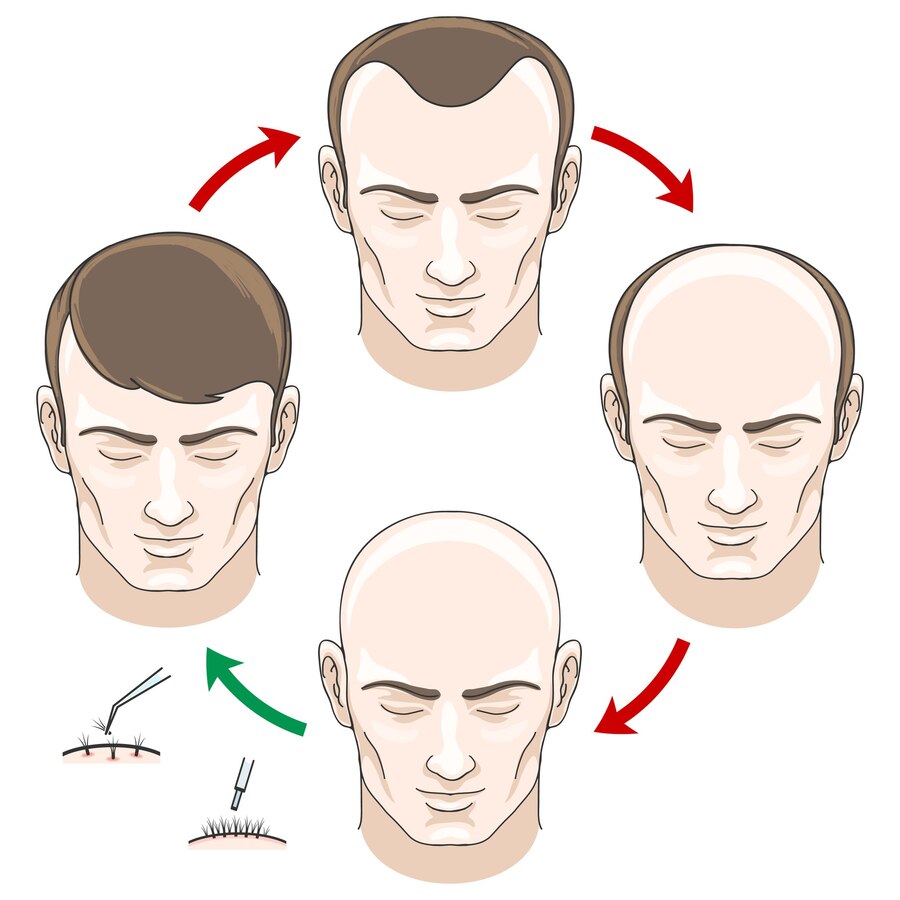
Hair loss can affect more than appearance. It can influence confidence, personal style, and how people feel in social and professional situations. For people experiencing ongoing hair thinning or pattern hair loss, a hair transplant may offer a long-term approach to restoring hair in areas where density has reduced.
However, hair transplant surgery in the UK is not a decision that should be made in a hurry. Patients should understand the procedure, their suitability, possible results, recovery process, and the importance of choosing an experienced medical team. A detailed consultation is an important first step.
Understanding Hair Transplant Surgery
A hair transplant involves moving hair follicles from a donor area, usually where hair growth is more resistant to pattern loss, to areas where hair has become thinner or disappeared. Modern techniques focus on creating a natural appearance by considering hair direction, density, hairline design, and the patient’s existing hair.
The exact technique depends on individual needs. FUE, DHI and other modern approaches may be considered after assessing the patient’s hair loss pattern and donor supply.
Patients should remember that a hair transplant is a surgical procedure. It requires proper assessment and professional medical care. The aim should be a natural and sustainable result rather than simply adding as many grafts as possible.
Are You a Suitable Candidate?
Not everyone with hair loss is automatically suitable for a transplant. A proper assessment should consider the cause and pattern of hair loss, the condition of the scalp, donor hair availability, age, existing hair density, and expectations.
Some forms of hair loss may require medical investigation before a transplant is considered. Sudden or unexplained hair loss should be assessed by an appropriate medical professional.
A suitable candidate generally needs enough healthy donor hair to support the planned restoration. The long-term pattern of hair loss should also be considered because existing hair may continue to thin after surgery.
This is why choosing a reputable clinic and having a thorough assessment is so important.
The Importance of a Hair Transplant Consultation
A hair transplant consultation allows patients to discuss their concerns and understand what may realistically be achieved.
During the consultation, a qualified professional can assess the scalp and donor area, discuss the pattern of hair loss, review medical history where relevant, and explain possible treatment options. The proposed hairline and estimated graft requirements may also be discussed.
Patients should use this appointment to ask questions. They can ask about the recommended technique, expected recovery, possible risks, aftercare, and whether further treatment may be needed in the future.
A good consultation should focus on the patient’s individual circumstances rather than promising a standard result.
Comparing Hair Transplant UK Clinics
Choosing between hair transplant UK clinics requires careful research. Patients should look beyond advertisements, discounts, and promotional photographs.
Consider the experience and qualifications of the medical professionals involved. Understand who will carry out the important parts of the procedure and whether the clinic provides appropriate aftercare.
Patients should also look for clear information about the procedure, realistic expectations, patient safety, and follow-up care.
Before making a decision, it can be useful to prepare a list of questions and compare several clinics. A trustworthy provider should be willing to explain the process clearly rather than pressure a patient into booking quickly.
Understanding the Different Treatment Options
A modern hair transplant treatment can involve different techniques. FUE, for example, involves extracting individual follicular units from the donor area before placing them into recipient areas.
DHI is another technique that may be considered in suitable cases. It uses a specialised implantation approach. The choice between techniques should not be based only on which name sounds more advanced.
The patient’s hair type, donor supply, hair loss pattern, recipient area, and desired outcome all matter.
An experienced medical professional should recommend an appropriate approach after assessment rather than using the same technique for every patient.
Natural Results Depend on Planning
One of the biggest concerns for patients is whether the transplanted hair will look natural. Good planning plays a major role.
The hairline should suit the patient’s age, facial features, existing hair, and long-term expectations. Graft placement should also consider the direction and angle of natural hair growth.
Overly low or artificially straight hairlines may not provide a natural appearance. Experienced practitioners focus on creating a result that works with the patient’s existing hair.
The objective should be a balanced improvement rather than an unrealistic transformation.
Understanding the Recovery Process
Patients should plan for a recovery period after surgery. Some redness, swelling, sensitivity, scabbing, or temporary discomfort may occur, depending on the individual and the procedure.
The transplanted follicles need time to settle and develop. Hair growth does not happen immediately. Patients should follow the clinic’s aftercare instructions carefully, including guidance about washing the scalp, physical activity, sleeping position, and returning to normal routines.
The early appearance can also change as part of the normal growth cycle. Patience is important because the outcome develops gradually.
Results Take Time
One of the most important things to understand before undergoing a transplant is that the result is not instant.
Newly transplanted hair goes through a growth cycle. Some transplanted hairs may shed initially before new growth develops. Visible improvement can take several months, while the fuller result may take longer.
Patients should therefore be cautious about clinics or advertisements that suggest an immediate transformation.
A realistic timeline should be discussed during the consultation. Individual results can vary depending on factors such as hair characteristics, healing, donor supply, and the underlying cause of hair loss.
Consider the Long-Term Picture
A transplant restores hair to selected areas, but it does not necessarily stop future hair loss in untreated areas.
This is particularly important for patients who still have significant amounts of native hair. Existing hair may continue to thin over time.
A responsible treatment plan should therefore consider the patient’s future hair pattern. In some cases, a medical professional may discuss additional hair-loss management alongside surgery.
Thinking about long-term hair health can help patients make a more informed decision.
Be Careful with Price-First Decisions
Cost is naturally an important consideration. However, choosing a clinic based only on the lowest price can create unnecessary risks.
The total cost may depend on factors such as the technique, number of grafts, clinical expertise, facilities, aftercare, and the complexity of the case.
Patients should compare what is included rather than comparing prices alone. A cheaper procedure may not provide the same level of professional involvement, planning, or aftercare.
A clear quotation should explain the treatment and associated services so patients can make an informed comparison.
Why Professional Guidance Matters
Hair restoration requires a combination of medical assessment, surgical skill, careful planning, and appropriate aftercare. Patients should choose providers who place safety and realistic expectations at the centre of the process.
Want Hair Ltd provides hair restoration services for people exploring their options. The company focuses on helping patients understand available procedures and make informed decisions based on their individual hair-loss concerns.
Anyone researching the best hair transplant in UK should look beyond rankings and marketing claims. The right choice depends on the patient’s needs, the expertise of the clinical team, the treatment plan, and the level of care provided before and after surgery.
Questions to Ask Before Booking
Before committing to hair transplant surgery in UK, patients should consider asking:
- Who will assess my hair loss?
- Who will perform the surgical procedure?
- Which technique is recommended and why?
- How many grafts may I need?
- What results are realistically possible?
- What will recovery involve?
- What aftercare is included?
- Could my existing hair continue to thin?
- Are there any additional treatments I should consider?
- What happens if I am not suitable for surgery?
Clear answers can help patients understand whether a clinic is right for them.
Conclusion
Choosing hair transplant surgery UK is a personal decision that requires careful research and realistic expectations. Patients should understand their cause of hair loss, assess their suitability, compare hair transplant UK clinics, and attend a detailed hair transplant consultation before making a commitment.
The right hair transplant treatment should be based on individual needs rather than trends or low prices. Patients should also understand that natural results take time and that long-term planning is essential.
With careful research, professional assessment, appropriate treatment planning, and proper aftercare, patients can approach hair restoration with greater confidence. Want Hair Ltd can help those exploring modern hair restoration options understand the process and consider a treatment plan suited to their individual requirements.

