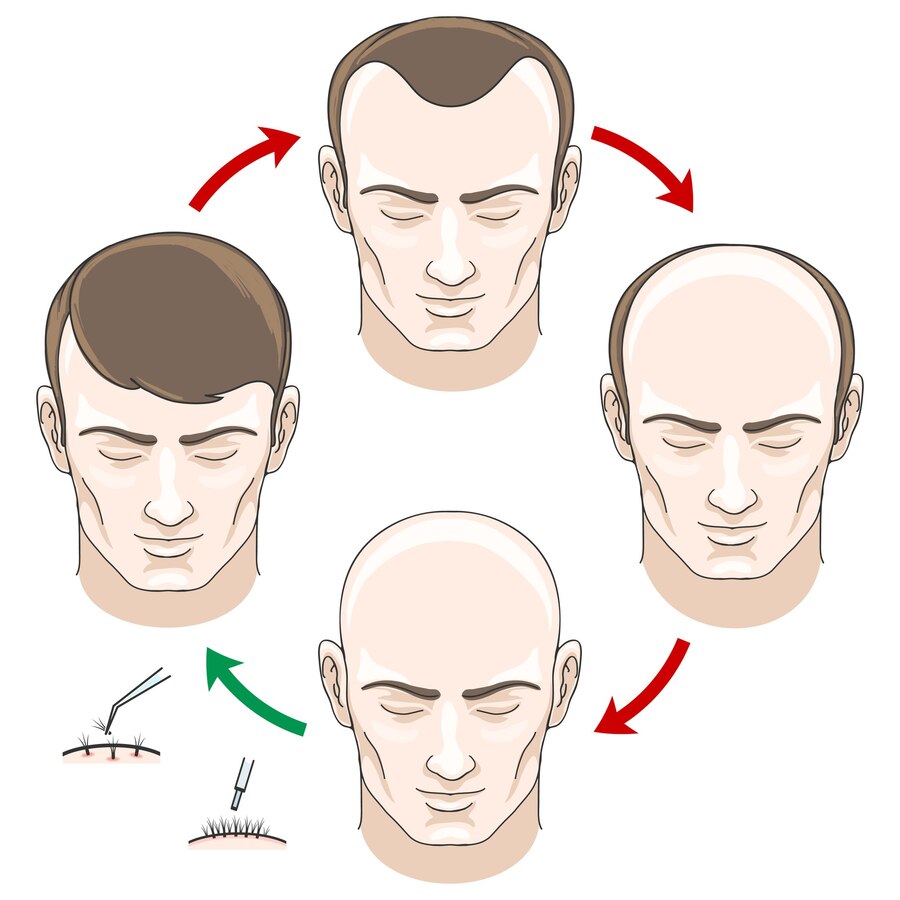
Hair restoration has changed significantly in recent years. Patients are no longer looking only for more hair. They want results that look natural, balanced and suited to their facial features. This shift has made personalised hairline design an important part of modern hair restoration.
Turkey has become a popular destination for people seeking hair transplant procedures. Alongside advances in FUE, DHI and Sapphire FUE techniques, clinics are placing greater focus on individual hairline planning. The aim is simple: create a hairline that complements the patient’s appearance rather than following a standard template.
For people researching hair transplant Turkey options, understanding the importance of personalised hairline design can help them make more informed decisions.
What Is Personalised Hairline Design?
Personalised hairline design involves planning the position, shape and density of the new hairline according to the individual patient. It considers factors such as facial proportions, age, existing hair loss, donor hair availability and natural hair growth patterns.
A good hairline should not look perfectly straight. Natural hairlines usually have small variations in height, direction and density. A skilled hair restoration team studies these details before deciding where and how grafts should be placed.
This approach can create a softer transition between the forehead and transplanted hair. It can also help the final result look more natural as the patient ages.
Why Is Hairline Design So Important?
The hairline is one of the most visible parts of a hair transplant. Even when graft placement is technically successful, an unsuitable hairline can make the result look artificial.
A hairline that is placed too low may not suit the patient’s age or future hair-loss pattern. A design that is too straight can also create an unnatural appearance.
Personalised planning helps avoid these issues. The surgeon can assess the patient’s facial structure and create a design that works with the rest of the face.
For this reason, people comparing the best hair transplant in Turkey should look beyond package prices and procedure names. Hairline planning, medical assessment and surgical expertise are also important factors.
Facial Proportions Influence the Design
Every face is different. A hairline that looks appropriate on one person may not suit another.
During consultation, professionals may consider the width of the forehead, facial length, temple shape and overall proportions. These factors can help determine the most suitable hairline position.
The patient’s natural hair characteristics also matter. Hair thickness, curl, direction and colour can influence how grafts should be placed.
The goal is not to create an identical hairline for every patient. It is to create a design that works specifically for that individual.
Age and Future Hair Loss Matter
Hair restoration should be planned for the long term. Hair loss may continue after a transplant, particularly in areas that have not been treated.
A very low hairline may require more grafts and may become difficult to maintain if further hair loss occurs behind it. A well-planned design considers both the patient’s current appearance and possible future changes.
This is why medical assessment is important before surgery. A qualified professional can evaluate the donor area, existing hair and likely progression of hair loss before recommending a treatment plan.
Patients looking for the best hair transplant surgery in Turkey should therefore ask how the clinic approaches long-term hair planning rather than focusing only on the number of grafts offered.
Natural Density Is More Important Than Maximum Density
Many people assume that the best result means placing as many grafts as possible. In reality, successful hair restoration requires careful use of the available donor supply.
The frontal hairline often needs fine grafts to create a natural transition. Behind the hairline, density can gradually increase.
This creates a layered effect that resembles natural growth. Grafts with fewer hairs may be used near the front, while larger graft groupings can be placed further back where appropriate.
A personalised plan allows the surgical team to distribute grafts according to the patient’s needs and available donor hair.
Technology Supports Better Planning
Modern hair transplant procedures can use advanced tools to support assessment and planning. Digital imaging and detailed donor-area analysis may help the medical team understand hair density and potential graft availability.
These tools can support consultation and treatment planning. However, technology should complement clinical judgement rather than replace it.
The quality of the result still depends heavily on appropriate patient selection, surgical planning, graft handling and placement.
People researching the best hair transplant clinic in Turkey should therefore consider the complete treatment process. Technology is useful, but it should form part of a wider medical approach.
FUE and DHI Can Support Different Hairline Goals
FUE and DHI are among the techniques used in modern hair restoration. Both involve harvesting individual follicular units, but the implantation process differs.
With FUE, follicles are extracted from the donor area and then implanted into prepared recipient sites. DHI uses an implantation device to place grafts into the recipient area.
Neither technique is automatically the right choice for every patient. The appropriate approach depends on hair loss, donor supply, graft requirements and the surgeon’s assessment.
A personalised hairline plan should therefore come before choosing a technique. The procedure should serve the treatment plan rather than the other way around.
Choosing Between Hair Transplant Centres in Turkey
Turkey has many providers offering hair restoration services. Patients should take time to compare hair transplant centres in Turkey before making a decision.
Important factors can include:
- The qualifications and experience of the medical team
- Who performs the critical stages of the procedure
- How the donor area is assessed
- How the hairline is designed
- Whether the treatment plan is personalised
- What aftercare is provided
- Whether realistic expectations are discussed
- How the clinic manages potential complications
Patients should also be cautious about claims that promise identical results for everyone. Hair transplantation is a medical procedure, and outcomes can vary between individuals.
Consultation Should Come Before Commitment
A proper consultation is an important part of the hair restoration journey. It allows the patient to discuss their expectations and understand what may realistically be achieved.
The consultation should cover the patient’s pattern of hair loss, donor area, desired hairline and possible future loss. It should also explain the recommended procedure and recovery process.
Patients should feel comfortable asking questions. A trustworthy clinic should provide clear information instead of pressuring someone into making a quick decision.
The Importance of a Conservative Hairline
Modern hair restoration often favours a conservative approach to hairline placement. This does not mean the result has to look thin. Instead, the design should create a natural frame for the face while preserving donor resources.
The frontal zone can be designed with irregularity and gradual density. This helps avoid the appearance of a sharply drawn line.
A conservative design may also provide greater flexibility if the patient experiences further hair loss later in life.
Aftercare Remains Part of the Process
Hair transplant surgery does not end when the procedure is complete. Proper aftercare is an important part of recovery.
Patients usually receive instructions covering washing, physical activity, sleeping position and protection of the treated area. Following the medical team’s instructions can help support recovery.
It is also important to understand that transplanted hair does not appear fully grown immediately. The growth process takes time, and the outcome develops gradually.
Patients should therefore judge progress over the appropriate recovery period rather than expecting an immediate transformation.
Want Hair Ltd: Helping Patients Explore Hair Restoration Options
Want Hair Ltd provides information and support for people considering hair restoration, including treatment options in Turkey. The company helps patients explore available procedures and understand important aspects of planning a hair transplant abroad.
For anyone researching hair restoration, choosing a provider should involve more than comparing prices. The quality of consultation, approach to hairline design, medical expertise and aftercare should all be considered.
Through informed planning, patients can make decisions based on their individual needs and realistic expectations.
Conclusion
Personalised hairline design is becoming an important part of modern hair restoration in Turkey. The focus has moved beyond simply replacing lost hair. Patients increasingly want results that complement their facial structure and look natural over time.
A successful plan considers facial proportions, age, existing hair, donor availability and potential future hair loss. FUE, DHI and other techniques can then be selected according to the patient’s individual requirements.
Anyone considering hair transplant Turkey should research providers carefully and compare hair transplant centres in Turkey based on medical standards, consultation quality, surgical expertise and aftercare.
Rather than choosing a clinic simply because it advertises itself as offering the best hair transplant in Turkey or the best hair transplant surgery in Turkey, patients should look for a personalised and medically responsible approach.
With appropriate planning and realistic expectations, personalised hairline design can play a valuable role in creating a natural-looking hair restoration result.
 Hair Transplant Clinic