Know About The Special Beard Transplant Aftercare from Want Hair Ltd

After undergoing a beard transplant, diligently following the proper aftercare measures can significantly alleviate any potential post-operative itching, providing you with much-needed relief. (Information Credit: https://wimpoleclinic.com/blog/beard-transplant-post-op-itch-get)

Beard transplants offer a promising solution for men who struggle to grow a full beard naturally or have bald patches in their facial hair. This straightforward surgical procedure, carried out at your chosen hair transplant clinic, can effectively transform your beard growth.

The duration of the procedure may vary depending on the amount of hair being transplanted, typically lasting a few hours. However, the recovery period for a beard transplant can extend up to a month or longer. Be prepared for potential itching in the transplanted area during this time.

What Causes The Itching Sensation After Beard Transplantation?

The itching sensation in the transplanted area is a regular aspect of the healing process, which occurs when scabs form after the transplant. Even though it may be tempting to scratch the affected area, it is crucial to refrain from doing so, as this could harm the newly implanted follicles.

Effective ways to manage post-beard transplant itching

At times, the discomfort caused by post-surgery beard itch can become overwhelming. However, you have the power to manage it effectively by following these steps.

Avoid scratching your newly transplanted beard hair grafts

It is crucial to resist the urge to scratch newly transplanted hair follicles. All hair transplants risk infection, which can be heightened by scratching or picking at the treated area. Refrain from removing any scabs until the underlying skin has fully healed.

In case of any bleeding, excessive swelling, or inflammation after scratching your beard, you must promptly inform your hair transplant surgeon or aftercare team.

Consider seeking an antibiotic to prevent infection. If the itching becomes intolerable, contact your surgeon or aftercare team for potential medication assistance.

Incorporate a specialised shampoo with medicinal properties

Upon receiving treatment at a hair restoration clinic, you can expect an aftercare pack containing a gentle medicated product to aid healing. Your dedicated surgeon or aftercare team may also advise you to refrain from shampooing your beard within the initial 24 hours following your procedure.

The prescribed shampoo should relieve you after you wash the area where the beard implant was placed.

Avoid shaving your face

Giving in to the urge to hastily shave your itchy beard is a tempting solution for immediate relief. However, it can worsen the situation.

Trimming your facial hair puts the treated area at risk for cuts or potential infection. However, it serves no purpose because the itching is not caused by the beard itself but rather by the scabs and inflammation resulting from surgery.

Refraining from shaving your beard for at least one month following your hair transplant is recommended.

Let it be known that the unpleasant sensation will diminish

Rest assured, most men with a beard transplant procedure will likely encounter some degree of itchiness after the surgery. Fortunately, this sensation is temporary and typically subsides within a week or so.

It is uncommon for hair transplant recipients to experience intense or distressing itching. However, it should be noted that any mild itching or discomfort lasting for a week will eventually fade away and give way to new beard growth within 3-4 months.

What Other Steps Can I Take To Assist In Recovering My Beard Transplant?

Apart from maintaining a clean and dry transplanted beard area, you can take several other measures to facilitate the recovery process.

Adjustments to one’s way of life

For the best results, it is recommended that individuals undergoing scalp and facial hair transplants avoid smoking and consuming alcohol before and after the procedure until the transplant has completely healed. To better understand the impact of smoking and alcohol on hair health, continue reading.

Incorporating nutritious food choices into your daily meals can benefit healing and hair growth post-surgery. Discover the best foods to support more robust, healthier locks.

Minimize needless stress as it can impede the body’s healing process post-transplant. Prioritize self-care and allow yourself to rest during the initial days after your surgery.

It is essential to steer clear of direct sunlight during the healing process of your transplanted beard area. This is due to the potential harm UV radiation can cause newly implanted hair follicles.

Take a break

Allowing yourself to rest is essential for concealing the redness and swelling during your face’s healing process and promoting a complete recovery. For patients who have undergone a hair transplant, we highly suggest taking a few days off from work before returning.

Resting and taking a break from the gym for a few days is essential. Vigorous exercises can put pressure on the recently implanted follicles. Additionally, sweat from physical activity can aggravate the transplanted hair. Gain further insight into exercising after a hair transplant procedure.

For optimal healing, it is recommended to sleep in an elevated position after a hair transplant. This will protect the delicate hair grafts from potential displacement caused by contact with any surface or object. To learn more about proper post-transplant sleeping positions, consult your healthcare provider.

When will new facial hair begin to appear?

After your beard transplant, you will quickly notice the results with a new beard hairline. However, within 2-3 weeks of the procedure, the transplanted hairs may shed due to the stress of surgery. This is referred to as shock loss and is a common occurrence.

Beard hair growth will become visible to hair transplant patients approximately 2-3 months after their surgery, and the complete and lasting outcome can typically be observed within 12 months from the initial procedure.

Guide to Styling Your Beard After Surgery

A practical method to combat the post-operative itch of a beard transplant is to divert your attention away from the irritated hair follicles. While waiting for relief, look at some potential beard styles post-transplant and draw inspiration from the most impressive beards.

Discover additional information on beard transplants with the following articles:

Discover five unique beard styles that are achievable after undergoing a beard transplant.

Are beard transplants able to achieve a natural appearance?

What is the price of a beard transplant?

Failed Beard Transplant

At what age is it most suitable to receive a beard transplant?

Do you have a desire for top-notch facial hair transplantation?

The success of a beard transplant relies on both the expertise and technique of the hair transplant surgeon and proper post-procedure care.

At Want Hair Ltd, our top priority is delivering high-quality patient care. We work closely with you to determine the best hair loss treatment options, conduct successful scalp and facial hair transplants, and ensure exceptional aftercare for all our patients. Rest assured that everyone in our care receives the utmost attention and quality care.

Discover the range of services we offer through a complimentary consultation when you book today.

Everything You Need to Know About FUE Hair Transplants in the UK

Are you tired of dealing with hair loss and looking to restore your confidence? If so, FUE hair transplants might be the solution you’ve been searching for. This blog post’ll explore everything you need to know about FUE hair transplants in the UK, including the procedure, benefits, costs, and more. Get ready to discover how this innovative technique cannot only help you regain a full head of hair but also transform your self-esteem and outlook on life!

The Benefits and Drawbacks of FUE

When considering FUE hair transplants in the UK, it’s essential to weigh the benefits and drawbacks of this procedure. One significant advantage of FUE is that it leaves minimal scarring compared to traditional strip harvesting methods. This means you can wear your hair short without worrying about visible scars.

Another benefit is the natural-looking results that FUE offers. The individual extraction of follicles allows for precise placement, creating a more realistic hairline and overall aesthetic. This means that after the procedure, you can confidently go about your daily activities, knowing that your hair looks and feels natural.

On the flip side, one drawback of FUE is that it can be more expensive than alternative treatments for hair loss. Cost considerations may vary depending on the extent of your balding and the number of grafts needed for transplantation. Another potential downside is that not everyone may be an ideal candidate for FUE due to factors like limited donor supply or specific medical conditions.

Understanding the advantages and limitations of FUE can help you make an informed decision about whether this procedure aligns with your goals and expectations when seeking treatment for hair loss.

The Procedure: Step-by-Step Explanation

Are you considering an FUE hair transplant with Want Hair Ltd in the UK? Understanding the procedure step-by-step can help alleviate any concerns you may have. 

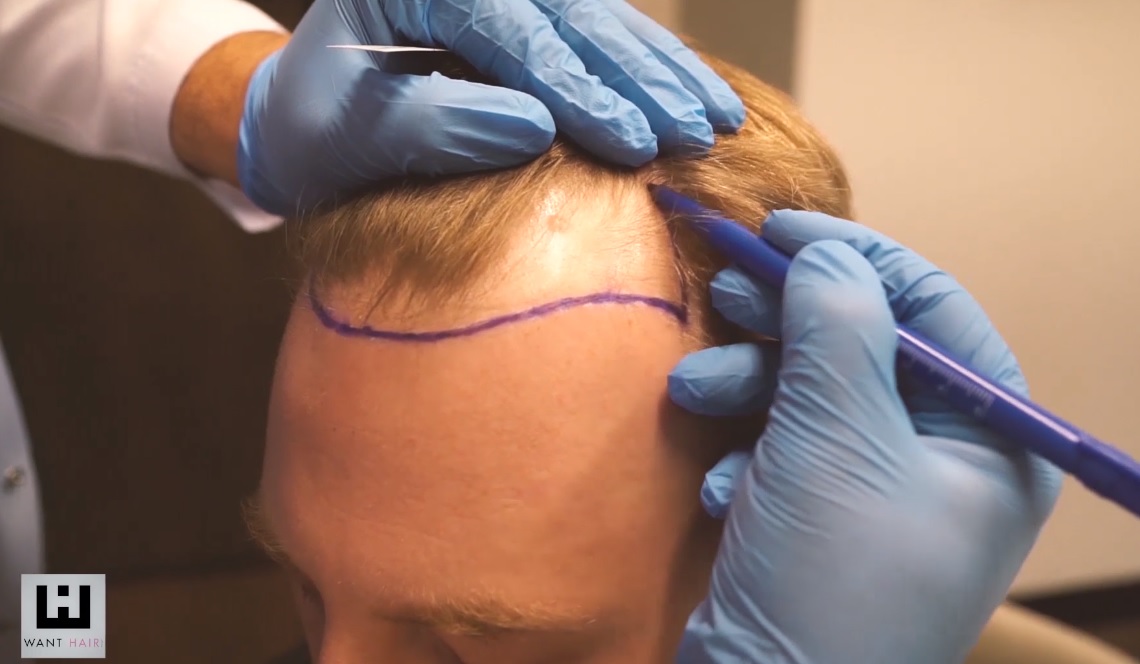
The first step involves a consultation with a qualified surgeon to assess your candidacy for the surgery. Once deemed suitable, the surgeon will discuss your desired hairline and density before proceeding.

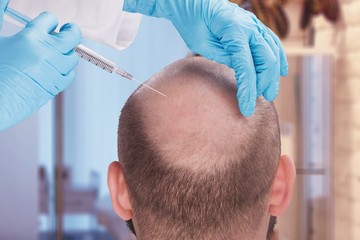
On the day of the surgery, local anaesthesia is administered to ensure minimal discomfort during the extraction of individual follicular units from the donor area at the back of your head.

These healthy hair follicles are then carefully transplanted into balding or thinning areas on your scalp, following a meticulous design that mimics natural hair growth patterns.

The tiny incisions made for transplantation heal quickly without leaving visible scars, allowing for the seamless integration of new hair into existing strands.

Results and Recovery Time

After undergoing an FUE hair transplant in the UK, patients are eager to see the results of their procedure. However, it’s important to manage expectations, as visible outcomes can vary from person to person. Results typically start becoming noticeable around three to four months post-surgery, when new hair growth begins.

As time progresses, patients usually experience continued improvement in the density and texture of transplanted hair. Full results may take up to 12-18 months to manifest. Patience is key during this period, as it’s a gradual process that requires time for the transplanted follicles to establish themselves and grow effectively.

Regarding recovery time, most individuals can resume regular activities within a few days after the procedure. Some minor swelling or redness at the transplant site is normal and generally subsides within a week or two. The newly transplanted hair may shed initially but gradually regrow over several months, leading to natural-looking results that blend seamlessly with existing hair. This detailed information will help you prepare for the post-surgery period and manage your expectations.

Cost Considerations and Insurance Coverage

One crucial aspect of an FUE hair transplant in the UK is the cost. The price of the procedure can vary depending on various factors, such as the extent of hair loss, the clinic’s reputation, and the surgeon’s experience. It’s essential to research different clinics and surgeons to find one that fits your budget while maintaining quality standards.

Insurance coverage for FUE hair transplants may take more work. Insurance usually does not cover elective cosmetic procedures like hair restoration. However, some exceptions may apply if hair loss is due to medical conditions or trauma. Before scheduling your FUE procedure, you should check with your insurance provider regarding any potential coverage options.

Before committing to a FUE transplant, it’s wise to inquire about payment plans or financing options that specific clinics may offer. Investing in your confidence and self-esteem through a quality hair transplant can be a life-changing decision worth exploring before making financial commitments.

Choosing the Right Surgeon for Your FUE Hair Transplant

When considering a FUE hair transplant in the UK, the choice of surgeon is crucial. Opt for experienced professionals who specialize in this technique. Research their qualifications, reviews, and before-and-after photos to assess their track record. This step is vital for your safety and the success of your procedure.

Choose a surgeon who not only has the necessary qualifications and experience but also makes you feel comfortable and communicates clearly throughout the process. Consultation is vital – ask questions about the procedure, expected results, and any concerns. A good surgeon will listen attentively and address your individual needs, ensuring that you feel secure and well-informed every step of the way.

Ensure that the clinic where the surgery takes place meets high cleanliness and safety standards. The environment should be welcoming and professional. Feel free to visit the facility beforehand to understand what to expect on the day of your procedure.

Trust your instincts when making this critical decision for your hair restoration journey with FUE transplantation at Want Hair Ltd or other reputable clinics in the UK.

Alternative Hair Loss Treatments

Are you exploring alternative options for combating hair loss besides FUE transplants? Various treatments are available that may help promote hair growth and improve the overall health of your scalp.

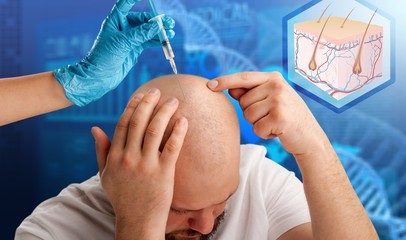
One popular alternative is Low-Level Laser Therapy (LLLT), which uses red light to stimulate hair follicles, potentially leading to increased thickness and regrowth. Another option is Platelet-Rich Plasma (PRP) therapy, where a concentration of your blood platelets is injected into the scalp to stimulate hair follicles.

Certain medications, such as minoxidil and finasteride, have also shown effectiveness in slowing down or reversing hair loss in some individuals. Additionally, essential oils such as rosemary or peppermint oil can be used topically to support healthy hair growth.

Before starting any alternative treatment, it’s essential to consult with a qualified professional to determine the best approach for your specific needs and goals.

Final Thoughts: Is FUE Right for You?

When considering whether FUE hair transplants are suitable for you, it’s essential to weigh the benefits and drawbacks, understand the procedure, evaluate the results and recovery time, factor in costs and insurance coverage, choose a skilled surgeon like Want Hair Ltd, explore alternative treatments if needed, and ultimately make an informed decision based on your circumstances. Remember that FUE can be a life-changing solution for many dealing with hair loss in the UK. Do thorough research and consult with professionals before making a decision that can positively impact your confidence and quality of life.

Design a site like this with WordPress.com
Get started